
2027 Toyota Sienna: Prices, Review and Buying Guide in Nigeria
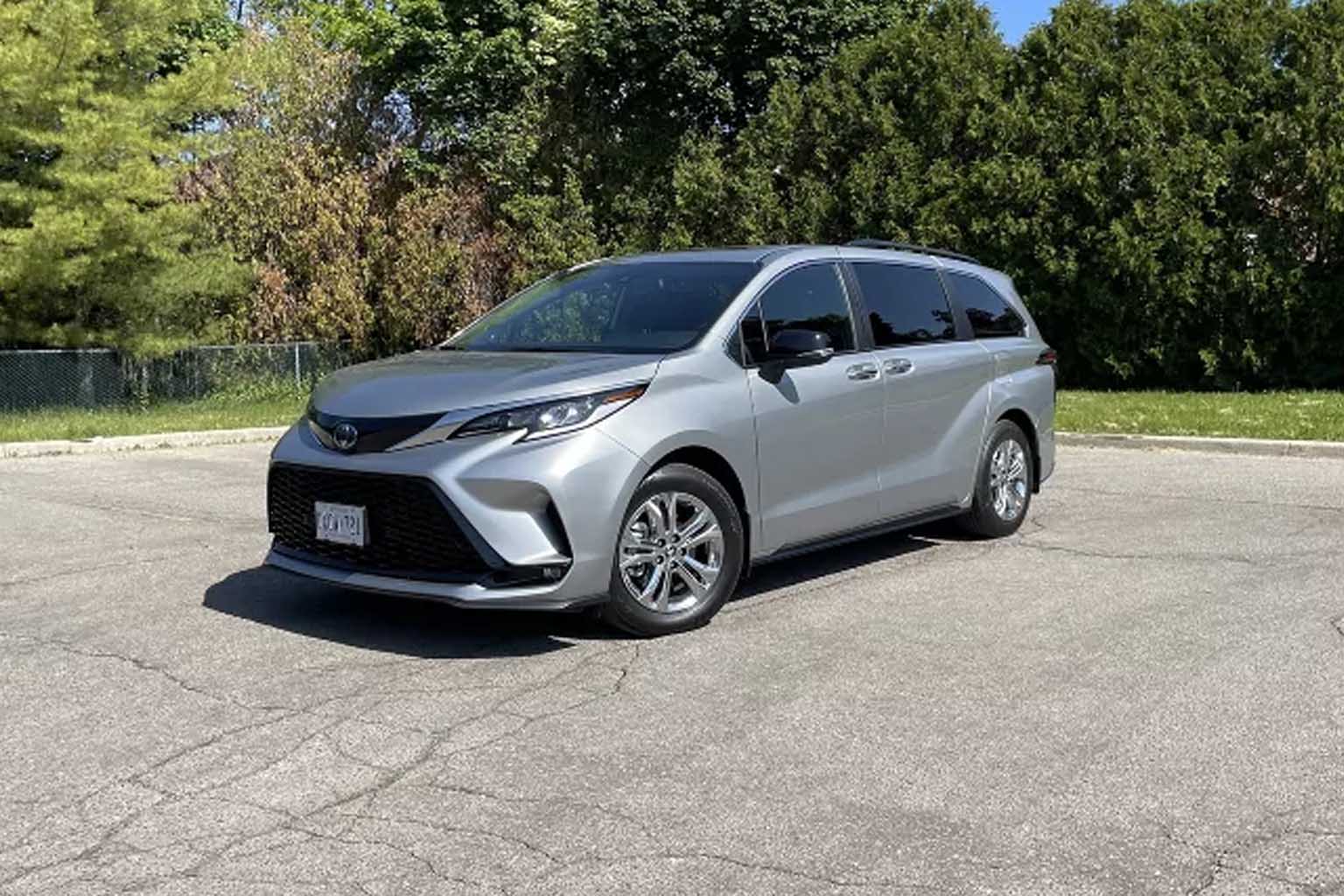
Complete 2027 Toyota Sienna buying guide for Nigeria — prices, trims, fuel economy, maintenance costs and what to watch out for.
There is a certain kind of Nigerian family that swears by the Toyota Sienna. School runs, church trips, interstate journeys to the village — the Sienna has quietly become the default answer to the question of what to drive when space, reliability, and road presence all matter at once. The 2027 model continues that tradition, but with meaningful upgrades that make it worth a fresh look whether you are buying new or deciding between a brand-new unit and a fairly used import.
What Is New in the 2027 Toyota Sienna
Toyota has not radically overhauled the Sienna for 2027, but the updates are not cosmetic either. The hybrid powertrain that became standard across all trims in the previous generation continues here, now with improved thermal management that makes it better suited to hot climates — a genuine consideration for Nigerian buyers. Expect slightly better fuel economy figures than the 2025 and 2026 versions, with the combined cycle now rated closer to 36 miles per gallon in the United States, which translates to meaningful savings when fuel prices are as volatile as they are in Nigeria.
The interior receives a refreshed infotainment system with a larger central screen, wireless Apple CarPlay and Android Auto, and improved rear-seat entertainment options for the second and third rows. For a vehicle that spends so much of its Nigerian life transporting families, this matters.
2027 Toyota Sienna Prices in Nigeria
Pricing in Nigeria depends on whether you are buying a brand-new unit from an authorised Toyota dealer or a fairly-used (tokunbo) version imported from the United States or Canada. As of mid-2026, brand-new 2027 Toyota Siennas from authorised dealers in Lagos and Abuja are priced broadly between N65 million and N90 million depending on trim, configuration, and any dealership-specific charges.
Tokunbo 2025 and 2026 Siennas in good condition are available in the N40 million to N60 million range, depending on mileage, trim, and the condition at the point of clearing. Budget separately for clearing costs, which typically add several million naira to the final landed price.
Trim levels available in Nigeria include the LE (base), XLE, XSE, Limited, and Platinum. The XLE is the most commonly imported trim because it balances features and price well. The Platinum is the fully loaded option with captain's chairs in the second row, which many Nigerian buyers specifically request.
Fuel Economy and Running Costs
The Sienna's hybrid system is one of its strongest selling points for the Nigerian context. Unlike a conventional V6 minivan, the hybrid setup means you are not taking as severe a hit every time petrol prices spike. Real-world consumption in Nigerian conditions — city traffic in Lagos, long expressway runs — tends to fall between 10 and 14 litres per 100km, which is genuinely competitive for a vehicle this size.
Routine servicing costs are well-managed because Toyota's parts ecosystem in Nigeria is mature. Oil, filters, brake pads, tyres — all are widely available across all major cities, and the mechanic expertise for Toyota vehicles is deep and broadly distributed.
What Nigerian Buyers Say
The consistent praise from Nigerian Sienna owners centres on three things: interior space, reliability, and resale value. The Sienna holds its value exceptionally well in the Nigerian used car market, which makes buying new or buying a relatively recent tokunbo a financially defensible decision. The criticism, when it comes, tends to be about the handling feel — the Sienna is not a sporty drive, and on rough roads it can feel floaty at higher speeds. The ground clearance is also a consideration for buyers who regularly tackle unpaved roads.
Is the 2027 Toyota Sienna Worth Buying in Nigeria
For families that need genuine seven- or eight-seat capacity with reliability, strong after-sales support, and good resale value, the 2027 Sienna is one of the smartest buys in the Nigerian market. The hybrid powertrain adds running cost efficiency that compounds over years of ownership. The main deterrent is the price; it is not a budget purchase, but for what you get, the value proposition is strong.
Buy from an authorised dealer or a trusted clearing agent with a verifiable history. Inspect carefully for signs of flood damage on any tokunbo unit, particularly those cleared through ports that have experienced storage-area flooding.