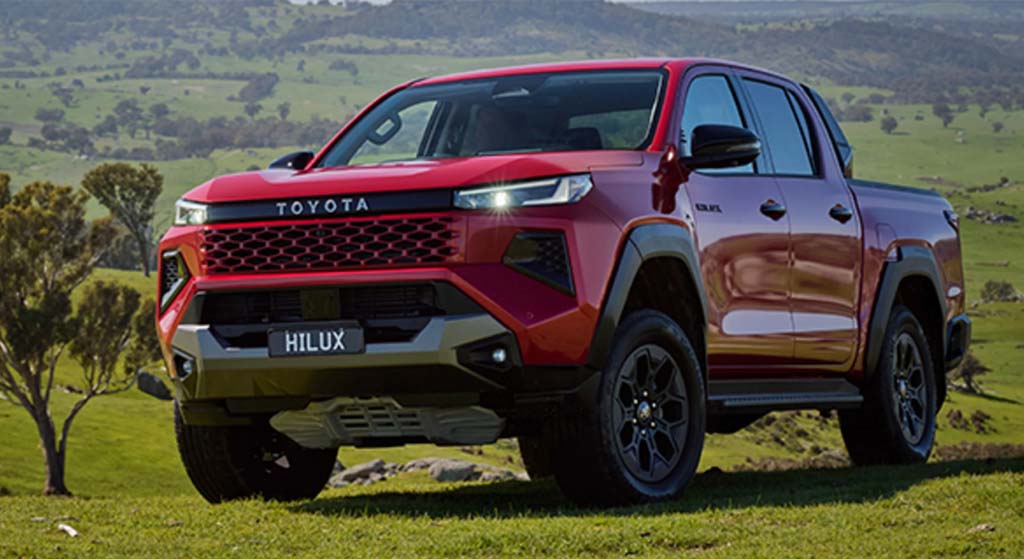
If you live in Nigeria, you know the Toyota Hilux isn’t just a vehicle; it is a symbol of power. From construction sites in Eko Atlantic to political convoys in Abuja, the Hilux is the undisputed king of Nigerian roads.
Now, the 2026 Toyota Hilux is knocking on the door, and it’s promising to be more than just a workhorse. With a redesign that Toyota calls "Cyber Sumo" (think heavy-duty wrestler meets futuristic tech), this new model is trying to bridge the gap between a rugged pickup and a luxury SUV.
But with the Naira dancing daily and clearing costs skyrocketing, is the 2026 model worth the upgrade, or should you stick to your reliable 2021 model? Let’s dive deep into what this beast brings to the Nigerian table.
The 2026 Hilux isn't just a facelift; it’s a statement. Toyota has finally responded to the pressure from the Ford Ranger and Mitsubishi L200.
Gone are the soft curves. The 2026 model features a boxier, more aggressive stance. The front grille is massive, honeycomb styled, flanked by slim LED headlights that look like they’re staring down a danfo driver who cut you off. It’s wider and taller, giving it that "boss" presence on the road.
Engine: The reliable 2.8-litre turbo-diesel (1GD-FTV) remains, but it's been tuned. It now pushes out about 201 horsepower and 500 Nm of torque.
Mild-Hybrid Tech: For the first time, we are seeing a 48-volt mild-hybrid system. This isn't a full electric car (don't worry about NEPA yet), but it helps with start-stop traffic in Lagos, saving you a bit of diesel and smoothing out the acceleration.
Transmission: A refined 6-speed automatic that feels less "jerky" than previous years.
This is where the biggest change is. The interior now feels like a Land Cruiser.
Screens: A huge 12.3-inch infotainment screen dominates the dash. It supports wireless Apple CarPlay and Android Auto—perfect for checking Google Maps to dodge traffic on the Third Mainland Bridge.
Seats: Redesigned seats with better lumbar support, which is a blessing for long trips to the East or North.
Toyota typically releases several trims, but in Nigeria, we usually see specific specs imported by dealers.
WorkMate / Single Cab: The "Pure Water" truck. Basic, steel rims, manual windows. strictly for site work and logistics.
SR / SR5 (The Mid-Range): This is the sweet spot. Alloy wheels, fabric seats, durable interior.
Rogue / GR Sport (The "Chairman" Spec): Leather seats, JBL sound system, 360-degree camera, and mild-hybrid tech.
The SR5 Double Cab 4x4.
Why? The Rogue/GR Sport is flashy, but the 18-inch wheels and low-profile tyres are a risk on pothole-ridden roads. The SR5 gives you the tech and comfort you need but retains rugged 17-inch wheels with thicker tyre sidewalls that can absorb the impact of a crater on the Benin-Ore expressway. Plus, the cloth interior handles the Nigerian heat better than sticky leather if you park in the sun.
Note: Prices are estimates based on current exchange rates ($1 = ₦1,500+) and customs duties as of early 2026. These fluctuate wildly.
Buying a brand new 2026 Toyota Hilux isn't for the faint-hearted.
Estimated MSRP (Foreign Price): $50,000 – $65,000, depending on the trim.
Shipping & Insurance: ~$2,500.
Customs Duty & Levy: This is the killer. For a brand new vehicle (0-1 year old), you are looking at roughly 35% to 70% cumulative tax, depending on the specific HS code and NAC levy adjustments by the Nigeria Customs.
Projected Landing Cost:
You should budget between ₦110 Million to ₦145 Million for a brand new 2026 Hilux fully cleared and registered.
Pro Tip: Buying "Brand New" from an authorized Nigerian dealer (like Toyota Nigeria or Elizade) often comes with a warranty (3 years/100,000km) that "Tokunbo" or Grey imports do not have. For a car this expensive, that warranty is your safety net.
How does it stack up against the other big boys in the Nigerian market?
| Feature | 2026 Toyota Hilux | Ford Ranger (Next-Gen) | Mitsubishi L200 (Triton) |
| Durability | ⭐⭐⭐⭐⭐ (Legendary) | ⭐⭐⭐⭐ (Good, but sensitive) | ⭐⭐⭐⭐ (Tough workhorse) |
| Resale Value | King. Loses value slowly. | Good, but drops faster than Toyota. | Average. |
| Tech/Luxury | Improved, but practical. | Best in Class. iPad-like screen. | Basic, focused on utility. |
| Suspension | Stiff (bounces when empty). | Soft and comfortable. | Very Stiff. |
| Fuel Economy | Good (especially with Hybrid). | Average (V6 drinks fuel). | Excellent. |
The Verdict: If you want comfort and tech, buy the Ford Ranger. If you want a car you can abuse for 10 years and sell for a profit, buy the Hilux.
Government & Contractors: It remains the official vehicle of "projects."
Security Outfits: The 2026 engine response is faster, making it ideal for escort duties.
The "Big Boy" Farmer: If you have a farm in Ogun or Kaduna but live in Lekki, this is the only vehicle that fits both environments perfectly.
Check the Spec: Avoid "Euro-spec" diesels with DPF (Diesel Particulate Filters) if you are not sure of getting clean diesel. The DPF will clog with bad Nigerian fuel. Ask specifically for "Tropicalized" or "GCC" specs, which are built for hot climates and varying fuel quality.
VIN Check: Even for new cars, run a VIN check to ensure the car wasn't damaged during shipping.
Oil Changes: Do not joke with this. The turbo-diesel engine is sensitive. Use the recommended synthetic oil every 5,000km if you are doing heavy city driving.
Fuel Filters: This is the kidney of your Hilux. Change your fuel filter every service. Nigerian diesel often has water or sediment that can destroy your injectors.
The Turbo: After a long drive (like Lagos to Ibadan), let the engine idle for 1-2 minutes before turning it off. This allows the turbo to cool down and extends its life.
The 2026 Toyota Hilux successfully defends its title. It might not be as fancy as the Ford Ranger, but it understands the assignment: Survive. In a country where the roads are rough and the fuel is unpredictable, the Hilux is a safe, premium, and powerful bet. It’s expensive, yes, but peace of mind in Nigeria is priceless.


Comments