
Top 5 Cars Nigerians Dislike in 2025, even with their Affordability, Opinions, and Solutions
Cars are both a necessity and a status symbol in Nigeria, so buying the wrong vehicle can make you regret the day you were born. With 34.8% inflation and a 42.1% naira depreciation in 2025, buying affordable and reliable cars is non-negotiable.
Cars are both a necessity and a status symbol in Nigeria, so buying the wrong vehicle can make you regret the day you were born. With 34.8% inflation and a 42.1% naira depreciation in 2025, buying affordable and reliable cars is non-negotiable. While Toyota, Lexus and Honda have dominated the Nigerian auto market for their durability, especially the availability of their spare parts and many mechanics understand the repair process of those vehicles, which has made some familiar cars earn a bad rap among Nigerian drivers.
Lets talk about the trends among Nigerians threads on Nairaland and X.com (formerly Twitter), and insights from Carlots.ng, here’s a deep dive into five cars Nigerians know well but avoid in 2025, focusing on issues like convertible roof failures, outdated designs, poor reputations and some are rank based on mechanic opinion, plus what brands can do to turn things around.
1. Peugeot 206 Convertible (2001–2007 Models)
The Peugeot 206 Convertible, yes, I perfectly understand it's one of the most ranks and popular cars in some parts of Northern Nigeria. But its quirky convertible roof has made it a top contender for cars that Nigerians dislike; it may be priced at ₦2 million to ₦4 million used, and was once a stylish choice for Nigeria’s urban elite. costly to maintain, not suitable for local road conditions, and has poor resale value.
Why the Dislike?
-
Faulty Convertible Roofs: The 206’s retractable roof is prone to mechanical failures, with motors jamming or seals leaking. Water dripping into the cabin during Nigeria’s heavy rains is a common complaint, ruining interiors.
-
High Maintenance Costs: The 1.6L engine (110 horsepower) is decent, but roof repairs and imported parts are expensive and hard to source locally.
-
Impracticality: Nigeria’s dusty roads and security concerns make convertibles less appealing for families or daily commutes.
What People Are Saying: A Lagos driver posted on Nairaland, “My 206 Convertible looked cool until the roof got stuck and water soaked my seats.” X users call it “a car for show, not for Nigeria.”
2. Toyota Corolla (2003–2007 Models)
Once a pride of Nigerian roads, but still, the Toyota Corolla, a Nigerian staple, is loved for fuel efficiency, but the 2003–2007 models, priced at ₦3 million to ₦7 million used, rank low due to their association with ride-hailing services.
Why the Dislike?
-
“Uber Car” Stigma: The Corolla’s popularity with Bolt and Uber drivers has tarnished its image. Its boxy, small design (1.8L engine, 130 horsepower) feels basic and lacks prestige for private buyers.
-
Aesthetic Fatigue: Nigerians prefer flashier sedans like the Camry. The Corolla’s dated look doesn’t appeal to status-conscious shoppers.
-
Resale Concerns: While reliable, its 28–32 MPG efficiency is overshadowed by its oversaturation in the market, lowering resale value for non-commercial buyers.
What People Are Saying: An Abuja car shopper told Carlots.ng, “I can’t buy a Corolla; everyone will think I’m an Uber driver.” X posts mock its “boring” shape.
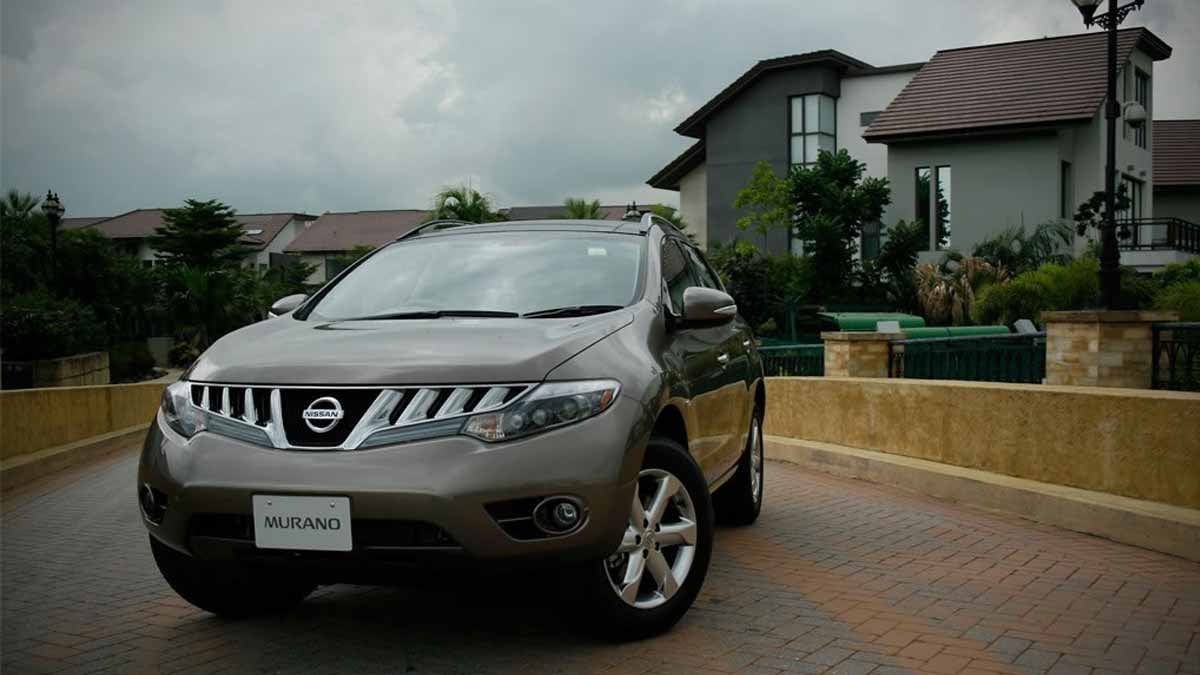
3. Nissan Murano (2002–2010 Models)
Recently, it's rare to see anyone shopping for a Nissan Murano; it's so outdated that people even use it as an insult. I mean, from 2003 to 2013, but the 2025 Nissan Murano has come to stay with new and latest features, because everything on the 2025 Murano is entirely new. It has ditched the V-6 engine and continuously variable automatic transmission for a turbo 2.0-litre four-cylinder engine and a nine-speed automatic.
Why the Dislike?
-
Poor Reliability: The 3.5L V6 engine (245 horsepower) is powerful but plagued by transmission issues and electrical faults, as noted by mechanics across Lagos and Port Harcourt.
-
Body and Tech Issues: The Murano’s sleek body rusts easily in Nigeria’s humid climate, and its outdated tech (e.g., glitchy dashboards) frustrates owners.
-
Bad Word-of-Mouth: Even first-time buyers shy away due to horror stories about costly repairs and low fuel efficiency (18–20 MPG).
What People Are Saying: A mechanic in Enugu shared on X, “Murano is a no-go. Transmission fails, and parts cost a fortune.” Nairaland users call it “an old trap.”
4. Nissan Pathfinder (2005–2012 Models)
In fact, most Nissan cars have a poor reputation among Nigerians because new models are not available to replace the older ones. This includes the Nissan Pathfinder, which may be a rugged SUV with affordability, at least costing about ₦7 million used. It shares the same issues as the Murano and ranks low among Nigerian buyers.
Why the Dislike?
-
Mechanical Failures: Its 4.0L V6 engine (270 horsepower) suffers from radiator and transmission issues, with repairs often exceeding ₦500,000, per Carlots.ng data.
-
Fuel Guzzler: At 15–18 MPG, it’s a burden in a country where petrol costs ₦577–₦700 per litre, making it less practical for families.
-
Mechanic Frustrations: Mechanics report difficulty sourcing parts, and owners face long repair times due to limited expertise.
What People Are Saying: A driver in Ibadan posted on Nairaland, “My Pathfinder drinks fuel and breaks down too much.” X users warn against buying it without a “deep pocket.”
5. Volkswagen Golf (1998–2010 Models)
Globally, Volkswagen made very good cars, but the older Volkswagen Golf, both known as “Golf 3” or “Golf 4,” may be the strongest car, but its reputation is nothing to write home about.
Why the Dislike?
-
Costly Maintenance: The 1.6L–2.0L engines (100–150 horsepower) require frequent repairs, and imported parts are pricey in 2025’s economy.
-
Fuel Efficiency: At 22–25 MPG, it lags behind rivals like the Toyota Matrix, a major issue with soaring fuel prices.
-
Outdated Design: Lacking modern features like advanced safety or infotainment, it feels dated for Nigeria’s evolving family needs.
What People Are Saying: A Port Harcourt user on X said, “Golf is tough but too expensive to maintain.” Carlots.ng notes low demand compared to Toyota SUVs.
Carlots’ Take: Volkswagen could source affordable parts locally and promote newer Golf models with better fuel economy to recapture the family market.
The Bigger Picture: Affordability and Market Trends
Nigeria’s car market is reeling in 2025, with a 22.3% sales drop in Q1 compared to 2024, driven by inflation and naira depreciation. The used car market, valued at $1.14 billion with an 8.9% CAGR, dominates due to affordability. Cars like the Toyota Camry and Honda CR-V remain favourites for their reliability and resale value. The Peugeot 206 Convertible, Toyota Corolla (2003–2007), Nissan Murano, Nissan Pathfinder, and Volkswagen Golf fall short due to costly repairs, poor fuel economy, or negative perceptions like the Corolla’s “Uber car” stigma.
Solutions to Regain Trust
Carlots.ng suggests these strategies to revive these cars’ appeal:
-
Enhance After-Sales Support: Peugeot and Nissan need local service centres and affordable parts to rival Toyota’s network.
-
Target Niche Markets: The 206 Convertible could appeal to young urbanites, while the Corolla could be rebranded for families with aesthetic upgrades.
-
Improve Fuel Efficiency: Highlighting or improving MPG ratings is critical in Nigeria’s high-fuel-cost environment.
-
Counter Bad Reputations: Nissan could offer warranties and transparent repair histories to combat Murano and Pathfinder’s bad word-of-mouth.
Final Thoughts
Nigerians demand cars that are tough, affordable, and practical for their roads and wallets. The Peugeot 206 Convertible’s leaky roof, the Toyota Corolla’s Uber stigma, the Nissan Murano and Pathfinder’s reliability woes, and the Volkswagen Golf’s costly upkeep have pushed these familiar names to the bottom of shopping lists. Brands that address maintenance, fuel costs, and cultural perceptions can still win back Nigeria’s drivers in a market where practicality reigns supreme.