
Billion Naira Cars in Nigeria (2026): Burna, Wizkid & Davido’s Fleets

Discover the billion naira cars dominating Nigerian streets in 2026. From Burna Boy’s ₦3.2B McLaren to Wizkid and Davido’s latest toys, we break down the costs and owners.
If you thought the "30 Billion Gang" era was the peak of luxury display in Nigeria, welcome to 2026. The game has changed. We are no longer talking about cars worth hundreds of millions. Thanks to the Naira’s dance with the Dollar and the insatiable appetite for exclusive machines, we have officially entered the era of the billion naira cars.
It’s not just about getting from the Mainland to the Island anymore; it’s about making a statement that shakes the internet. From Afrobeat giants to the new wave of FX tycoons, the garage value of Nigeria’s elite has skyrocketed.
Let’s take a look at the machines that are redefining wealth on Nigerian roads this year.
The Crown Jewel: Burna Boy’s ₦3.2 Billion McLaren Senna
When the African Giant decides to step out, he doesn't do it quietly. Burna Boy currently holds the title for arguably the most expensive ride with his 2019 McLaren Senna Exposed Carbon Edition.
This isn't your average "I have money" car. Named after the legendary Formula 1 driver Ayrton Senna, this hypercar is built for the track but legal for the road (if you can find a smooth one in Lagos).
-
The Price Tag: Approximately ₦3.2 Billion.
-
The Flex: The "Exposed Carbon" bodywork alone costs more than most luxury SUVs. It reduces weight and looks absolutely menacing.
-
Why it’s special: McLaren only made 500 Sennas worldwide. Owning one in Nigeria isn't just a flex; it’s a logistical miracle. You have to wonder how the low ground clearance handles the speed bumps in Lekki, but when you are Odogwu, maybe the potholes pave themselves.
Wizkid’s Italian Stallions: The Ferrari Fleet
Big Wiz has been on a spending spree that would make an oil sheikh blink. While he has always loved luxury, his acquisitions leading into 2026 have cemented his place in the billion naira car club.
1. Ferrari 296 GTB Assetto Fiorano (₦1.4 Billion)
Wizkid reportedly dropped over ₦1.4 Billion on this masterpiece. The 296 GTB is a hybrid (yes, even billionaires save fuel... sort of), but don’t let that fool you. It pairs a V6 engine with an electric motor to produce 819 horsepower. The "Assetto Fiorano" package means it’s lighter, faster, and significantly more expensive than the base model.
2. Ferrari SF90 Spyder (The 2025 Purchase)
Just when we thought he was done, reports surfaced of Wizkid adding a Ferrari SF90 Spyder to his collection in late 2025. This open-top beauty is Ferrari’s first series-production plug-in hybrid electric vehicle (PHEV) spider. It’s silent when it needs to be and a screaming monster when you mash the throttle.
Davido’s "Timeless" Choice: The Lamborghini Revuelto
You cannot talk about cars in Nigeria without mentioning OBO. Davido, a man who has bought more cars than some dealerships, recently welcomed the Lamborghini Revuelto.
This car is significant because it replaces the legendary Aventador. It is Lamborghini’s first "High Performance Electrified Vehicle" (HPEV).
-
Estimated Price: Between ₦1.6 Billion and ₦2 Billion (depending on customisation and landing cost).
-
The Vibe: It keeps the massive V12 engine everyone loves but adds three electric motors. It’s loud, aggressive, and perfectly matches Davido's energy.
The Rise of the FX Traders: Jeffrey Benson & HabbyFX
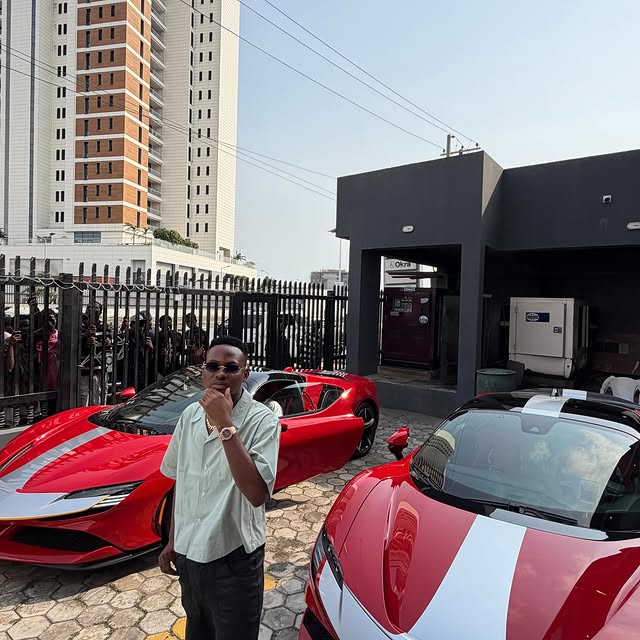
It is not just musicians dominating the lanes anymore. If you have been on Instagram or YouTube, you know the FX and Crypto boys are giving the entertainers a run for their money.
Jeffrey Benson and HabbyFX have both been spotted with the Ferrari SF90.
-
The Car: The SF90 Stradale/Spyder.
-
The Cost: Easily crossing the ₦1 billion mark when you factor in shipping and clearing duties in Nigeria.
These guys are proving that you don't need a Grammy to drive a billion-naira machine; you just need to know your way around a candlestick chart.
List of Billion Naira Cars in Nigeria (2026 Snapshot)
It can be hard to keep track of who bought what, so here is a quick breakdown of the heavy hitters:
| Owner | Car Model | Estimated Value (₦) |
| Burna Boy | McLaren Senna Exposed Carbon | ₦3.2 Billion |
| Davido | Lamborghini Revuelto | ₦1.8 Billion+ |
| Wizkid | Ferrari 296 GTB Assetto Fiorano | ₦1.4 Billion |
| Jeffrey Benson | Ferrari SF90 Stradale | ₦1.2 Billion+ |
| HabbyFX | Ferrari SF90 Stradale | ₦1.2 Billion+ |
| Davido | Rolls Royce Spectre (EV) | ₦1.1 Billion+ |
Types of Cars You Will See in Nigeria
While the billion naira list is short, the Nigerian car culture is vast. Generally, we categorise cars on our roads into three levels:
-
The "Daily Strugglers": The Toyota Corollas and Camry "Muscle" that keep the country moving. Reliable, parts are everywhere in Ladipo, and they resell fast.
-
The "Big Boy" SUVs: This is the Mercedes G-Wagon (G63), the Range Rover Autobiography, and the Lexus LX600. These used to be the peak, but now they are almost considered "traffic cars" in high-brow areas like Ikoyi.
-
The "Billion Naira" Hypercars: The Ferraris, McLarens, and Lamborghinis discussed above. These are rarely seen during the day. They come out at night or on weekends when the traffic eases up.
Current Most Expensive Car in Nigeria
As of early 2026, the title for the single most expensive car known to be in the country sits with Burna Boy’s McLaren Senna.
However, rumours are always swirling. There is talk of a Bugatti Chiron owned by a silent billionaire industrialist (not in the entertainment industry) that could shatter this record, potentially worth over ₦5 Billion. Until we see it on the streets or social media, Burna keeps the crown.
Maintenance Tips: Keeping a Billion Naira Whip Alive
Owning these cars in Nigeria is an extreme sport. Between the heat, the dust, and the potholes, these machines are fighting for their lives. If you are lucky enough to own one (or you are just dreaming like the rest of us), here is how they stay running:
1. Ground Clearance is King
Most of these cars have a "nose lift" system. If you don't use it, you will leave your carbon fibre bumper on the Third Mainland Bridge. Owners often have a pilot car driving ahead to scout for bad roads.
2. The Fuel Wahala
You cannot pour roadside fuel into a Ferrari 296 GTB. These engines require high-octane premium spirit. Many owners have private arrangements to import or buy race-grade fuel, or they use specialised additives to boost the octane of Nigerian petrol.
3. Specialised Mechanics
You don't take a Lamborghini Revuelto to the roadside vulcaniser. Mechanics for these cars are often flown in from Europe or South Africa for annual servicing. Alternatively, specialised luxury garages in Abuja and Lagos now use diagnostic computers that cost more than a brand-new Toyota.
4. Storage and Tyres
These cars aren't parked outside. They live in climate-controlled garages to prevent the dashboard leather from peeling in the heat. Also, the tyres are run-flats or performance rubber that costs millions to replace—one pothole could cost you ₦5 million in tyres and rims.
Conclusion
The automotive landscape in Nigeria has shifted drastically. The arrival of billion naira cars is a testament to the immense wealth circulating in specific sectors of the economy. Whether it is Burna Boy’s track-focused McLaren or the tech-loaded Ferraris of the FX generation, Nigerian roads are hosting some of the world's most exclusive engineering.
For the average Nigerian, spotting one of these beasts is a highlight of the day. For the owners, it’s a lifestyle. As we move deeper into 2026, one thing is certain: the price tags will only get higher, and the engines will only get louder.