
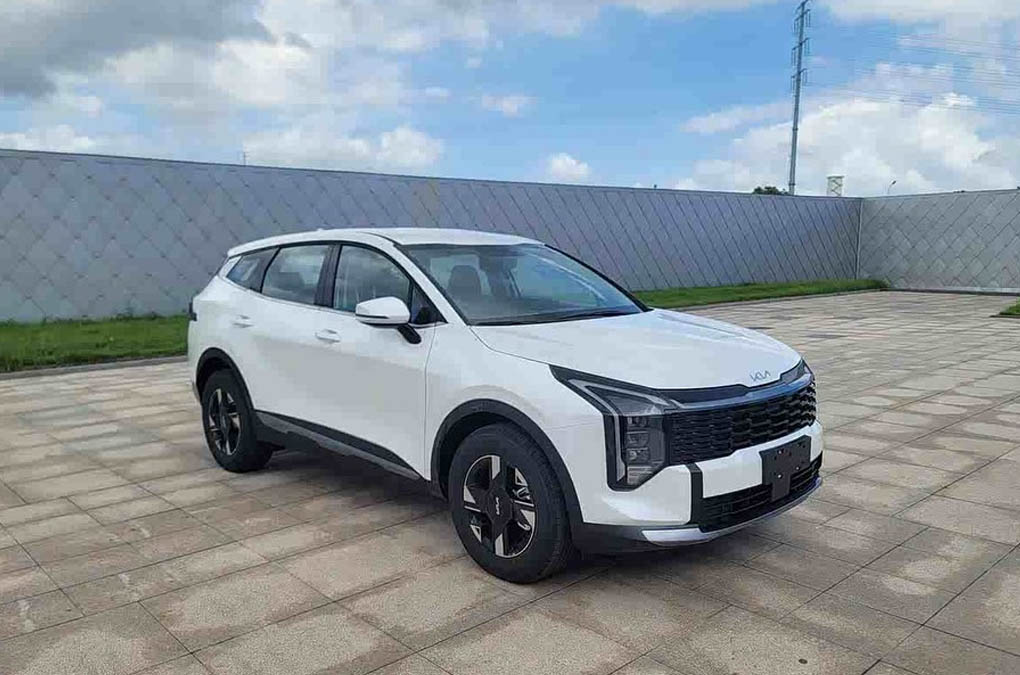
The next-generation 2026 Kia Sportage has made headlines after leaked photos surfaced from China, showing a completely redesigned exterior that signals a new era for Kia’s compact SUV. From its sharp, futuristic grille to its integrated LED strip and bold rear styling, this upcoming model looks ready to redefine what we expect from 2026 cars.
But beyond the design, the real story lies in Kia’s changing production strategy. For the first time, Kia and its sister brand, Hyundai, are building more vehicles in China for export to the Gulf and other Middle Eastern markets, a move that could reshape global supply chains and, ultimately, influence how soon Nigerians get access to newer models like the 2026 Kia Sportage.
A Fresh Design Language: Sharper, Wider, and More Dynamic
A New Face for the 2026 Sportage
The leaked photos reveal a completely integrated front design, the grille now flows seamlessly into the headlights, forming one continuous structure. The signature “Tiger Nose” grille has been sharpened and given a three-dimensional appearance, framed by redesigned daytime running lights (DRLs) that stretch across the bumper in a full-width LED strip.
Kia’s designers have clearly taken a more daring approach here. The front bumper now features metallic silver accents at the lower edges, adding a touch of sophistication and visual width. The entire stance feels lower, wider, and stiffer, giving the Sportage a stronger presence that will easily stand out on Nigerian roads, especially among its rivals like the Toyota RAV4, Honda CR-V, and Hyundai Tucson.
Redesigned Rear End
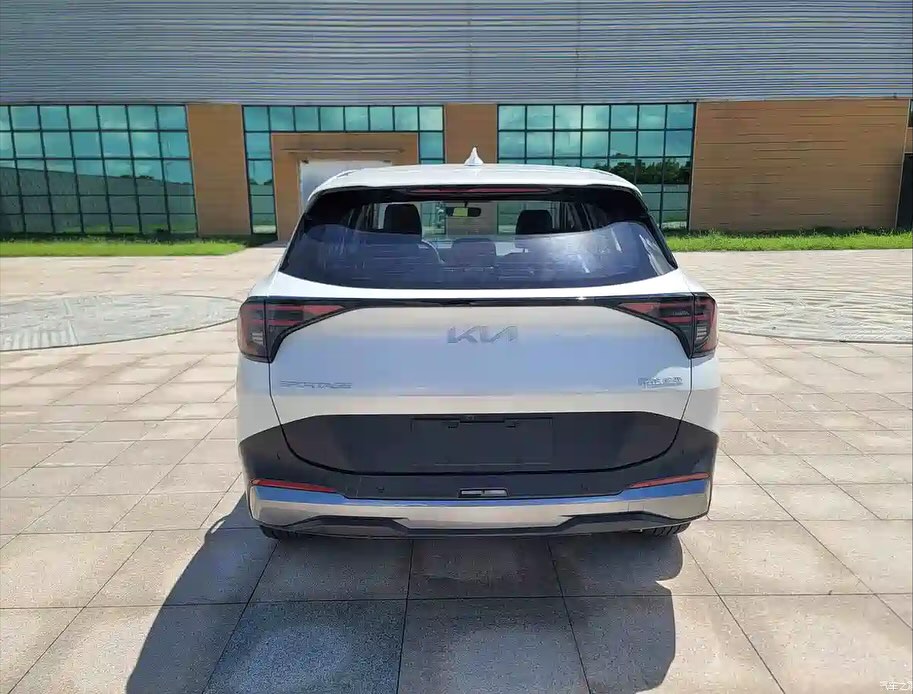
At the back, the 2026 Sportage gets an equally bold update. The rear lights are now connected by a sleek black strip that runs across the tailgate, similar to what we’ve seen on the Kia EV9 and Hyundai Santa Fe 2025. The rear spoiler has been reshaped for better aerodynamics, and the reflector lights on the bumper now sit lower, giving the SUV a sportier look.
These design tweaks may seem subtle, but they make a significant impact on the car’s character. It feels modern, mature, and premium, signalling Kia’s continued rise in design quality.
The Shift in Production: Why Kia Is Moving to China
A Strategic Manufacturing Move
One of the most significant developments surrounding the 2026 Kia Sportage isn’t just its design, but where it’s being built. Kia and Hyundai have quietly shifted parts of their vehicle assembly to China, a move that marks a major shift in their global production strategy.
According to industry insiders, this change is driven by two key factors:
- Labour union challenges in South Korea have slowed down production schedules.
- China’s faster assembly lines and lower costs allow brands to meet growing demand in the Gulf and other international markets.
This means that cars like the 2026 Sportage could be manufactured in China, assembled to Korean specifications, and then exported to markets like the UAE, Saudi Arabia, and possibly Nigeria.
What This Means for Nigerian Buyers
For Nigerian buyers, this production shift might bring both opportunities and questions. On the positive side, availability could improve, as more units flow into Middle Eastern and African markets faster than before. The pricing could also become slightly more competitive, since Chinese assembly tends to reduce logistics and manufacturing costs.
However, there will be concerns about perceived quality differences between Korea-built and China-built versions. Kia has promised that all factories follow the same global standards, but Nigerian buyers, known for their attention to durability and resale value, will likely watch closely to see how these China-assembled models perform.
The 2026 Kia Sportage: What to Expect Under the Hood
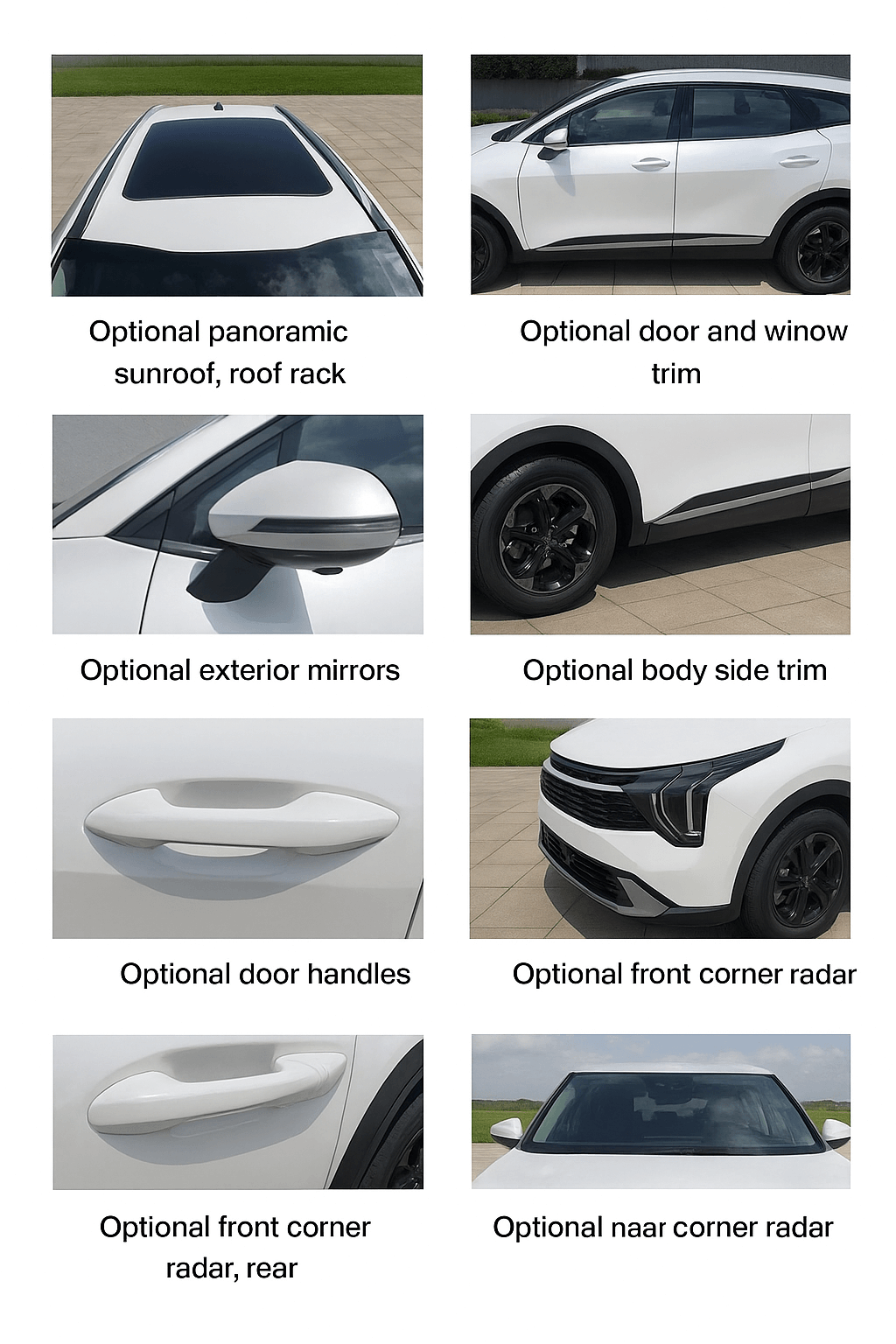
While official technical details are yet to be confirmed, sources suggest that the 2026 Sportage will likely retain the 1.6-litre turbocharged petrol engine and 2.0-litre hybrid variants, depending on the market. The engines are expected to be paired with either a 7-speed dual-clutch automatic transmission or a 6-speed automatic.
There’s also talk of a plug-in hybrid (PHEV) variant, which could deliver over 230 horsepower and improved fuel economy, a welcome development for Nigerian drivers seeking efficiency without sacrificing performance.
If the PHEV version makes it to Africa, it could compete directly with upcoming hybrid SUVs from Toyota and Honda. However, due to infrastructure limitations like scarce charging stations, the standard petrol and mild-hybrid models will likely remain more popular in Nigeria.
Technology and Interior Expectations
Kia has been rapidly improving its interior game, and the 2026 Sportage is expected to carry over this momentum. Leaked interior photos from the Chinese model suggest:
- Dual panoramic digital displays with curved glass panels.
- An updated Kia Connect infotainment system with voice commands and OTA (over-the-air) updates.
- Ambient LED lighting is integrated into the dashboard and doors.
- Premium leather upholstery with customizable colour options.
These features will position the 2026 Sportage as one of the most tech-forward compact SUVs in its segment, appealing to Nigerian buyers who value both comfort and connectivity.
Competition and Market Outlook in Nigeria
In Nigeria, the Kia Sportage has built a solid reputation as a reliable and stylish compact SUV that delivers great value for money. With this redesign, Kia seems ready to challenge its toughest competitors head-on.
The main rivals in the Nigerian market include:
- Toyota RAV4 (2017–2024)
- Hyundai Tucson (2023–2025)
- Honda CR-V (2020–2025)
- Mazda CX-5 (2022–2025)
If the 2026 Sportage enters the Nigerian market at a price point between ₦40 million and ₦60 million, depending on the variant, it could easily become one of the most desirable 2026 cars for middle- to upper-class buyers seeking luxury without the Lexus or BMW price tag.
The Bigger Picture: Kia and Hyundai’s Global Direction
This move to manufacture in China shows that Kia is evolving beyond its traditional Korean roots. The company is adopting a global strategy to manage costs and speed up delivery, something that might help avoid delays that plagued previous models.
Interestingly, several other automakers are also moving production closer to China or Southeast Asia to streamline exports to the Middle East and Africa. For example:
- Hyundai Palisade and Santa Fe 2025 are now partially assembled in China.
- Toyota has expanded partnerships with Chinese factories for export.
- Nissan and Changan are both developing new EV assembly hubs for export to emerging markets.
This shift signals a new phase in the global auto industry, one that could make high-quality vehicles more accessible to buyers in developing markets like Nigeria.
Final Thoughts
The 2026 Kia Sportage represents more than just a new car; it marks a strategic turning point for Kia’s global operations. The bold design, wider stance, and improved lighting signature reflect a brand pushing forward with confidence. Meanwhile, the decision to build in China hints at a future where production flexibility becomes key to staying competitive.
For Nigerians, the upcoming Sportage could be an appealing mix of style, performance, and modernity, especially if pricing remains competitive. Whether you’re in Lagos, Abuja, or Port Harcourt, this next-generation Sportage looks ready to make its mark on Nigerian roads.
1 thought on “First Look: 2026 Kia Sportage Gets a Complete Exterior Redesign”