
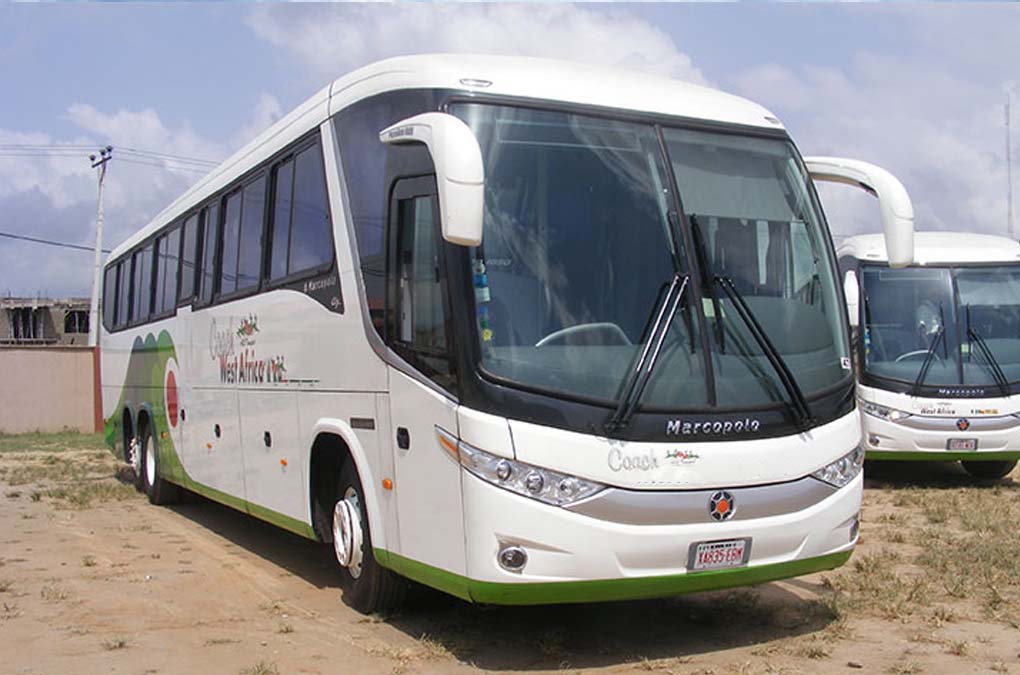
The journey from Nigeria’s commercial nerve centre, Lagos, to the bustling market city of Onitsha is more than just a trip; it’s a vital artery of commerce, culture, and connection. Every day, thousands of people, traders, students, families, and adventurers traverse this route, making it one of the most significant travel corridors in West Africa. The constant flow of goods and people fuels the economy, linking the industrial might of the West with the commercial heart of the East.
Welcome to Your Ultimate Guide
Navigating this popular route can seem daunting, with questions about the best bus companies, fluctuating fares, and what to expect on the road. This guide is designed to eliminate the guesswork. We provide clear, practical, and up-to-date information to empower you, the passenger, to plan your journey with confidence. Whether you are a first-time traveller or a seasoned commuter, this resource is your definitive companion for a smooth and efficient road trip.
Table of contents
- Welcome to Your Ultimate Guide
- Why the Lagos-Onitsha Route is a Major Lifeline
- What This Guide Will Cover for Your “Trip”
- Why Choose Bus Travel for Your Journey?
- Understanding the Lagos to Onitsha Road Trip
- Top Bus Companies Operating the Lagos-Onitsha Route
- Mastering Bus Fares: Prices, Variations, and Finding the Best Deals
- Booking Your Bus Ticket: Online, Offline & Essential Details
- Preparing for Your Journey: Pre-Travel Essentials
- Conclusion
Why the Lagos-Onitsha Route is a Major Lifeline
The Lagos-Onitsha corridor is a microcosm of Nigeria’s dynamic economy and social fabric. It connects two of the country’s most powerful economic hubs, facilitating trade that is essential for national prosperity. This route is not just a road; it’s a channel for a diverse population on the move. It represents a critical link in the transportation network of Africa, enabling mobility and opportunity for millions. The journey itself showcases the country’s vibrant diversity, from the urban sprawl of Lagos to the lush landscapes of the Niger Delta.
What This Guide Will Cover for Your “Trip”
This comprehensive guide breaks down every aspect of your Lagos to Onitsha trip. We will explore the practical advantages of bus travel, provide an overview of the route and its challenges, and profile the top transport companies serving this corridor. Furthermore, we will demystify bus fares, guide you through the booking process for your bus tickets, and offer essential tips to prepare you for a comfortable and safe journey.
Why Choose Bus Travel for Your Journey?

While other transport options exist, bus travel remains the most popular choice for the Lagos to Onitsha route for compelling reasons. It offers a unique blend of affordability, convenience, and a genuine travel experience that connects you directly with the pulse of the country.
Affordability and Accessibility
For most travellers, cost is a primary consideration, and this is where bus travel excels. Fares are significantly lower than air travel and more economical than hiring a private vehicle. This accessibility makes it the go-to option for a wide spectrum of the economy, from budget-conscious students to traders managing their expenses. The competitive pricing ensures that movement between these vital cities remains within reach for the average Nigerian, supporting both personal and commercial activities.
Convenience and Directness
Bus companies offer a straightforward and direct travel solution. They operate from multiple, easily accessible terminals across Lagos, providing a simple starting point for your journey. Unlike air travel, which involves trips to and from airports located on the city’s outskirts, bus terminals are often situated in central hubs. Most services run directly to key destinations within Onitsha, minimising the need for complex onward connections upon arrival.
A Glimpse of the Landscape: Experience the Nigerian “Route” Up Close
A road trip from Lagos to Onitsha is an immersive experience. The journey offers a front-row seat to the changing Nigerian landscape, from the bustling suburbs of the southwest to the iconic Niger Bridge. This route allows a passenger to witness the country’s rich cultural diversity firsthand. It’s a chance to see daily life unfold in the towns and villages you pass through, offering a perspective that other modes of travel simply cannot match.
Practicalities: Managing Luggage and Group Travel
Buses are well-suited for travellers with significant luggage. Generous baggage allowances, often included in the ticket price, are a major advantage for traders transporting goods or individuals relocating. For families and groups travelling together, booking seats on the same bus is a simple and cost-effective way to ensure everyone journeys together, making the trip a shared and memorable experience.
Understanding the Lagos to Onitsha Road Trip
Embarking on this journey requires a practical understanding of what lies ahead. Knowing the distance, potential duration, and road conditions helps you set realistic expectations and plan your schedule effectively.
Route Overview: Distance, Duration, and Key Milestones
The road distance between Lagos and Onitsha is approximately 420-450 kilometres, depending on the specific departure and arrival points. The route typically follows the Lagos-Ibadan Expressway, connects to the Sagamu-Benin Expressway, passes through Benin City, and continues along the Asaba-Benin Expressway before crossing the iconic Niger Bridge into Onitsha. This well-trodden path is a lifeline for cross-country logistics.
Estimated Travel Time: Factors Affecting Your “Schedule”
Under ideal conditions, the trip can be completed in 6 to 8 hours. However, a realistic schedule should account for several variables. Lagos traffic can cause significant delays, especially during morning departures. Road conditions, occasional security checkpoints, and the number of scheduled rest stops can extend the journey time to between 9 and 12 hours. Planning for a full-day trip is the most sensible approach.
What to Expect from Road Conditions
The Lagos-Onitsha route is a mix of well-paved federal highways and sections that may be undergoing repairs or suffering from wear and tear. While major expressways like the Lagos-Ibadan are generally in good condition, other stretches, particularly around the Benin bypass, can be challenging. Reputable bus companies manage these challenges by employing experienced drivers who are familiar with the route and maintaining their fleet to handle the rigours of the journey.
Major Departure Points in Lagos
To cater to the city’s vast population, bus companies operate from several key terminals across Lagos. The most prominent departure hubs for Onitsha-bound buses include Jibowu and Yaba on the mainland, which host a high concentration of transport companies. Maza-Maza is another major hub, particularly for travellers coming from the Festac and Amuwo-Odofin areas. Iyana-Ipaja also serves as a significant departure point for those in the Alimosho axis.
Top Bus Companies Operating the Lagos-Onitsha Route
Choosing the right bus company is crucial for a safe and comfortable journey. The Lagos-Onitsha route is served by numerous operators, each offering different levels of service, comfort, and pricing.
In-Depth Look at Leading Operators
Several companies have established a strong reputation on this route.
- GIG Mobility (GIGM): Known for its modern fleet, professional service, and user-friendly online booking platform, GIGM is a popular choice for travellers seeking comfort and reliability. They offer various vehicle classes, including standard buses and luxury options with extra legroom and onboard amenities.
- ABC Transport: A veteran in the Nigerian transport industry, ABC Transport is renowned for its focus on safety and passenger comfort. They operate a range of buses, including their well-known luxury sleeper buses for overnight travel, though these are less common for the Lagos-Onitsha daytime trip. Their services are consistently reliable.
- Peace Mass Transit (PMT): Offering some of the most competitive fares, PMT is a favourite among budget-conscious travellers. They operate a large fleet of smaller buses (often Toyota Hummer buses) and have a vast network of terminals, making them highly accessible.
- God is Good Motors (GIGM): This is the same as GIG Mobility, but some still know it by its old name.
- Young Shall Grow Motors: Another long-standing operator, this company runs a massive fleet and is known for its capacity to handle large volumes of passengers and cargo.
Key Factors to Consider When Choosing Your Bus Company
When selecting an operator, look beyond the price.
- Safety Record: Prioritise companies known for their commitment to safety, regular vehicle maintenance, and professional driver training.
- Punctuality: Check reviews or ask frequent travellers about a company’s reputation for adhering to its departure schedule.
- Comfort: Consider the type of fleet operated. Do you need air conditioning, ample legroom, or reclining seats? Some premium services may offer onboard WiFi and charging ports.
- Customer Support: A company with responsive customer service is invaluable if you encounter issues with booking or need information about your trip.
Mastering Bus Fares: Prices, Variations, and Finding the Best Deals
Bus fares from Lagos to Onitsha are not static. They fluctuate based on a variety of factors, and understanding these can help you secure the best price for your journey.
Understanding the Typical Fare Ranges
The price for a bus from Lagos to Onitsha typically ranges from ₦28,000 to over ₦81,000, depending on the company (like GUO, GIGM, ABC Transport), bus type (standard/luxury), time of travel, and current demand, with some recent December rates around ₦50,500, while cheaper options might be found, especially outside peak seasons, with journey times varying from 7 to 14 hours.
Example Fares (Check for Current Prices):
- GUO Transport: Prices are around ₦28,000 for night buses, while the morning bus options include LUXURY Bus at ₦47,000, SIENNA Bus Fare at ₦81,000, and HIACE ULTRA Bus Fare at ₦61,000.
- GIGM: Prices around ₦50,250 for Toyota (Hiace).
- ABC Transport: Shows fares around ₦52,000 for Ajah to Onitsha (Note: this seems lower, check their site).
Factors Influencing “Fares”
Several elements contribute to the price of your bus ticket:
- Seasonality: Fares surge during peak travel periods like Christmas, Easter, and New Year’s, when demand is extremely high.
- Fuel Prices: Fluctuations in national fuel costs directly impact transport fares.
- Bus Type: The level of luxury is a major determinant. A standard 14-seater bus will be cheaper than a spacious luxury coach with fewer seats and more amenities.
- Demand: Booking on a high-demand day (like a Friday or Sunday evening) can be more expensive than travelling mid-week.
- Booking Time: Last-minute bookings can sometimes be pricier than securing your seat in advance.
Strategies for Finding “Cheap Bus Tickets”
Finding affordable bus tickets is possible with a bit of planning.
- Book in Advance: Especially during non-peak seasons, booking your ticket a few days or a week ahead can lock in a lower price.
- Travel Off-Peak: If your schedule is flexible, travel on weekdays (Tuesday to Thursday) when demand is lower. Avoid public holidays and the festive season rush.
- Compare Companies: Use an online booking platform or check the websites of different companies to compare their fares for your travel date.
- Look for Promotions: Some companies offer promotional discounts, especially when booking through their mobile apps.
Luggage Policies and Potential Extra Costs
Most bus companies include a standard luggage allowance in the ticket price, typically one or two medium-sized bags. However, if you are travelling with excess or oversized luggage, be prepared for extra charges. These excess luggage fares vary by company, so it is wise to confirm their policy beforehand to avoid surprises at the terminal.
Booking Your Bus Ticket: Online, Offline & Essential Details
Securing your seat is a straightforward process, with both modern and traditional methods available to suit every passenger.
Online Booking: The Modern Approach
The most convenient way to book your trip is through online booking. Most major companies have their own websites and mobile apps. An aggregator booking platform can also allow you to compare fares from multiple operators in one place.
- Pros: Convenience (book from anywhere), easy comparison of schedules and fares, secure payment options, and often access to e-tickets, eliminating the need for a physical printout.
- Cons: Requires internet access and a digital payment method.
Booking at the Terminal: Traditional Method
The traditional method involves visiting the bus company’s terminal in person to purchase your ticket.
- Pros: Allows you to pay with cash, ask questions directly to staff, and get an immediate feel for the company’s operations.
- Cons: Can be time-consuming, requires travel to the terminal, and popular routes may be sold out, especially if you try to book on the day of travel.
Essential Information for Your “Bus Tickets”
Whether digital or physical, your bus tickets must contain accurate information. Double-check that your full name is spelt correctly, and that the departure date, time, and final destination (Onitsha) are accurate. Your contact number is also crucial for communication from the transport company regarding any schedule changes.
Payment Methods: Cash, Card, and Mobile Transfers
When booking online, you can typically pay with a debit/credit card (Mastercard, Visa) or through bank transfer options. At the terminal, cash is universally accepted, and many larger companies also have Point of Sale (POS) machines for card payments. This flexibility ensures that every passenger can complete their booking with ease.
Preparing for Your Journey: Pre-Travel Essentials
A long road trip is made significantly more pleasant with a little preparation. Packing the right items ensures you remain comfortable, entertained, and refreshed from departure to arrival.
Packing Smart: What to Bring for a Long Road Trip”
Consider a small carry-on bag with essentials for your trip.
- Comfort Items: A neck pillow can make a huge difference for napping. A light blanket or sweater is also recommended, as the air conditioning on buses can be quite chilly.
- Snacks and Water: While there will be stops, having your own water and light snacks (like biscuits, nuts, or fruit) keeps you hydrated and energised.
- Entertainment: Download movies, podcasts, or music to your phone. A power bank is essential to keep your devices charged throughout the journey.
- Personal Items: Pack any necessary medications, hand sanitiser, and tissues for your convenience.
Conclusion
The journey from Lagos to Onitsha by road is a quintessential Nigerian travel experience. It is an affordable, direct, and practical way to connect two of the nation’s most important cities. By understanding the route, choosing a reputable bus company, and planning ahead, you can transform this trip from a logistical challenge into a smooth and enjoyable adventure. This guide has equipped you with the essential knowledge to master your travel plans. You now know the key factors that influence fares, the top operators to consider, and how to prepare for a comfortable journey. Your trip is more than just a movement between destinations; it’s a participation in the vibrant economic lifeblood of the country. Plan smart, pack well, and travel with the confidence that you are fully prepared for the road ahead.