
Let’s be real for a second. If you live in Nigeria, you have heard the name Innoson.
Maybe you have seen the IVM logo on a white pickup truck zooming past a Police checkpoint on the Lagos-Ibadan expressway. Maybe you saw it as the grand prize in the Big Brother Naija house. Or maybe, just maybe, you found yourself in a heated argument at a pepper soup joint about whether these cars are truly made in Nigeria or just “assembled Chinese parts.”
In a country where “Tokunbo” (foreign used) cars have ruled the roads for decades, and where a 2010 Toyota Camry now costs an arm and a leg, Innoson Vehicle Manufacturing (IVM) stands as a bold, stubborn, and undeniable contender. They call themselves the “Pride of African Roads.” But what does that actually mean for your pocket? Are they reliable? And seriously, what do actual owners say about them?
We are digging deep. From the red dust of Nnewi to the showroom floors in Victoria Island, here is everything you need to know about Innoson vehicles.
The Nnewi Miracle: How It All Started

To understand the car, you have to understand the man.
Chief Dr Innocent Ifediaso Chukwuma (OFR) didn’t start out building luxury SUVs. Like many great Igbo business moguls, he started with the basics: spare parts.
In 1981, a young Innocent Chukwuma began trading motorcycle parts. But he had an itch that trading couldn’t scratch. He realised that importing brand-new motorcycles was expensive because they took up too much space in shipping containers. His solution? Import the parts and assemble them here. This genius move crashed the price of motorcycles in Nigeria and drove foreign-used okadas out of the market.
Fast forward to 2007, and he decided to do the impossible: replicate that success with cars.
Today, the IVM factory in Nnewi, Anambra State, isn’t just a warehouse. It is a massive industrial complex where the hum of welding machines meets the sweat of thousands of Nigerian engineers.
The Big Question: Does IVM Build Cars or Just Rebadge Them?
This is the elephant in the room. If you search online, you will see critics posting pictures of a Chinese BAIC or Gonow vehicle next to an Innoson car, screaming, “See! It’s just a rebadge!”
So, what is the truth?
It is a mix of both, and that is standard global practice.
Here is the honest breakdown:
- The “Rebadging” Argument: Yes, IVM partners with Chinese OEMs (Original Equipment Manufacturers) for their designs and powertrains. You will find that the IVM G80 looks strikingly similar to the BAIC BJ80. This is common in the auto world; even the new Toyota Supra has a BMW engine inside.
- The “Manufacturing” Reality: Innoson is not just screwing bolts together. They operate a CKD (Completely Knocked Down) plant.
- Local Content: IVM claims about 60-65% local content. They source their steel locally to stamp their own body panels. They manufacture the plastic components (dashboards, bumpers) in-house. They weld the chassis and paint the vehicles in Nnewi.

The Verdict: While the engine technology and design blueprints are sourced from partners in China (with engines often being Japanese Mitsubishi tech), the physical creation of the car body and the assembly are deeply Nigerian.
Innoson Car Models: Prices, Specs & Honest Reviews
Disclaimer: We all know the Naira is fluctuating. These prices are estimates based on the current 2024/2025 market realities. Always call a dealership for the live price.
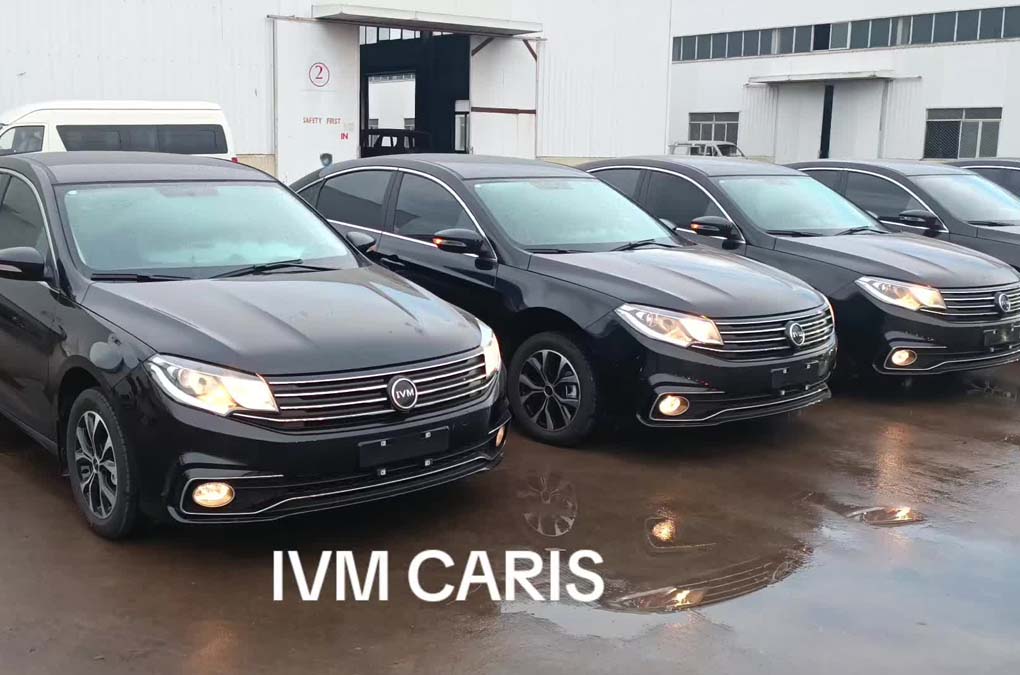
1. IVM Caris (The Sleek Sedan)
The Vibe: It looks modern, sleek, and suspiciously similar to a Toyota Corolla. It is designed for bankers, young families, and Uber/Bolt investors.
- Estimated Price: ₦14 Million – ₦17 Million
- Key Specs: 2.0L Engine, Automatic transmission, sleek LED lights, 10-inch display screen.
The Review: Is it the “Nigerian Corolla”? Owners describe the Caris as a surprisingly smooth ride. The exterior styling is its strongest point; it genuinely looks like a modern 2024 vehicle.
- What Owners Love: The fuel economy is praised; the 2.0L engine is not a guzzler. The AC is “mortuary standard” (very cold), which is essential for our weather.
- The Complaints: The interior finish feels a bit “plasticky” compared to a Toyota. You might find hard plastics on the dashboard where you would expect soft-touch materials. The infotainment system is functional, but the interface feels a generation behind Apple CarPlay standards.
2. IVM G5 (The Everyday SUV)
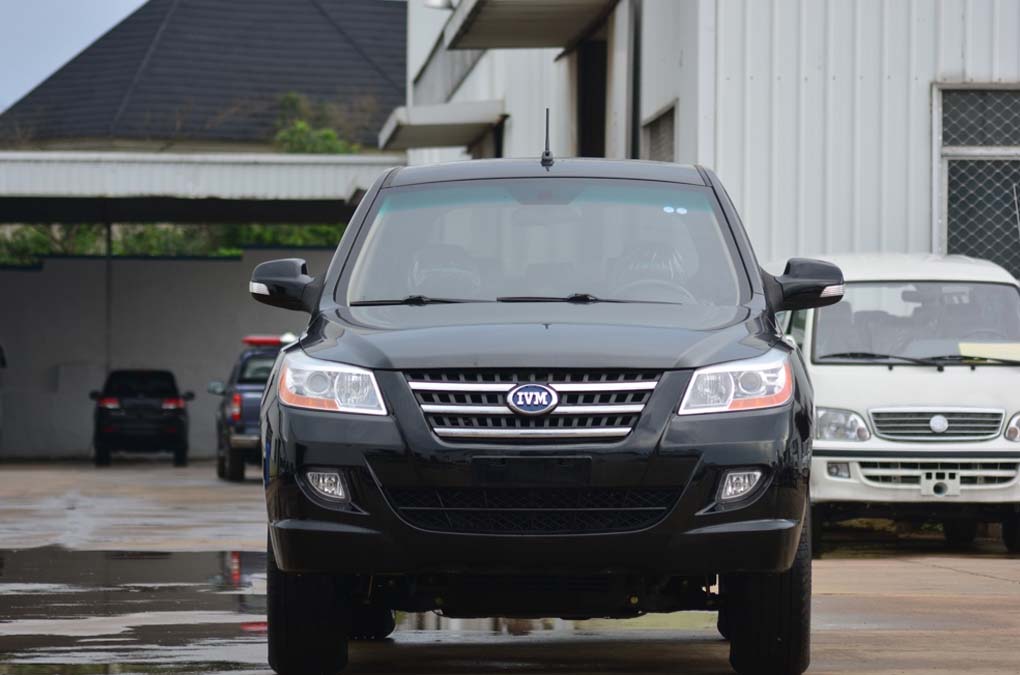
The Vibe: Compact, sturdy, and practical. This is for the middle-class family that needs an SUV for the school run but can’t afford a Prado.
- Estimated Price: ₦12 Million – ₦15 Million (Starting)
- Key Specs: 2.4L Mitsubishi engine, 5-seater, ABS + EBD braking systems.
The Review: The “Family Tank” The G5 is often called the “tank” by users because of its suspension.
- What Owners Love: The suspension tuning. Innoson deliberately uses reinforced shock absorbers. While a foreign Ford Edge might cry on a bad Lagos road, the G5 eats potholes for breakfast. It feels rigid and durable.
- The Complaints: It is not the fastest car on the road. The acceleration is decent, but don’t expect it to move like a sports car. Some older reviews noted issues with door handle durability, though recent models seem to have addressed this.
3. IVM G80 (The “Odogwu” Luxury SUV)
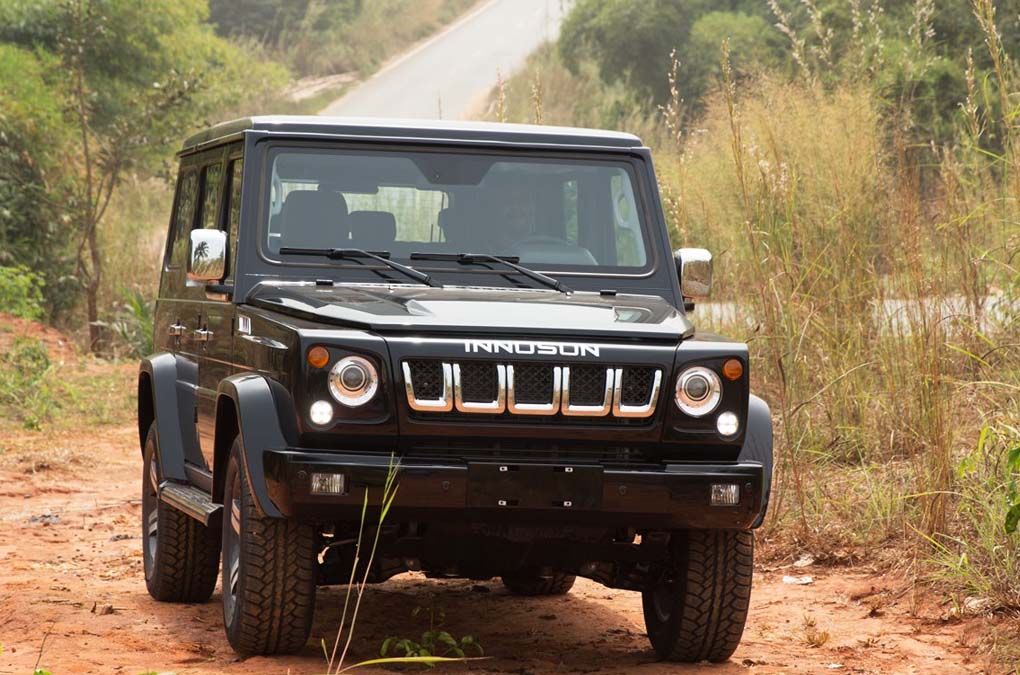
The Vibe: This is the flagship. It is big, boxy, and intimidating. It screams, “I have arrived.” It is the preferred vehicle of traditional rulers and top government officials.
- Estimated Price: ₦40 Million – ₦60 Million+
- Key Specs: 4WD, 3.0L Turbocharged engine (with Mitsubishi tech), luxury leather interior.
The Review: The Status Symbol
- What Owners Love: The presence. When you pull up in a G80, people respect you. The interior space is massive—legroom is abundant even for tall passengers. It handles off-road terrain effortlessly thanks to its high ground clearance.
- The Complaints: It is a thirst trap—for fuel. The 3.0L engine loves petrol. Also, while the leather seats are comfortable, the dashboard buttons and switches lack the “refined click” feel of a Mercedes G-Wagon. It offers 80% of the luxury for 30% of the price, but you will notice the missing 20%.
4. IVM Carrier (The Workhorse)
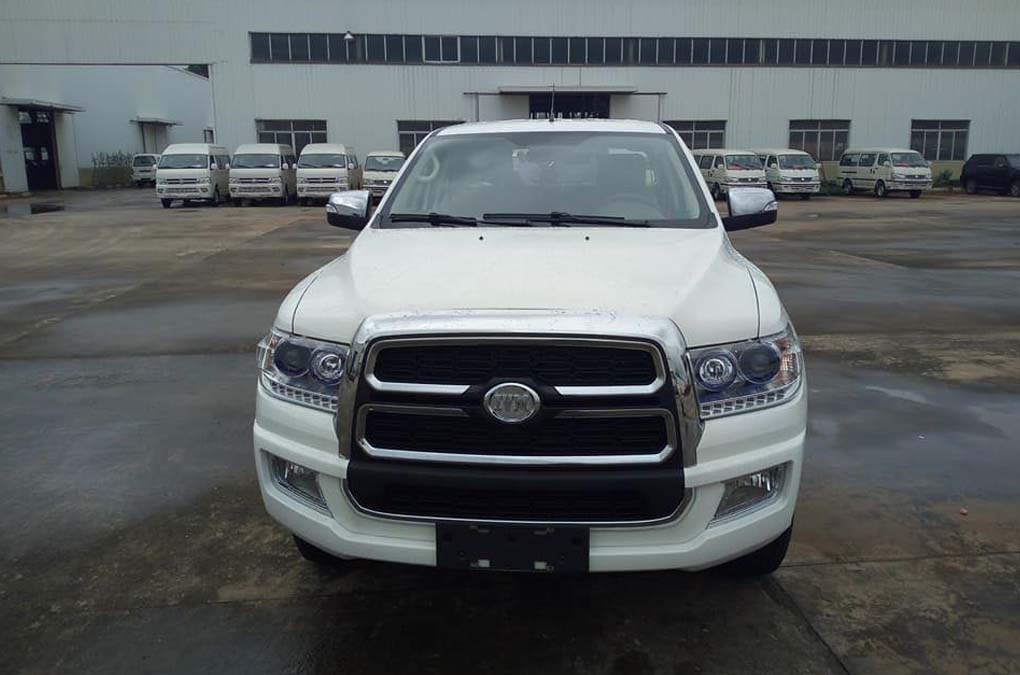
The Vibe: Rugged. Built to take a beating. You see these used by the Nigerian Police Force and construction companies.
- Estimated Price: ₦15 Million – ₦19 Million
- Key Specs: Double-cabin pickup, 4×4 or 4×2 options, 2.7L Mitsubishi engine, manual transmission standard.
The Review: The Nigerian Hilux
- What Owners Love: Durability. This truck is abused daily in security convoys and keeps moving. Parts are incredibly cheap compared to a Toyota Hilux. The dual airbags and ABS are standard, which is good for a work truck.
- The Complaints: The ride is bouncy when empty (typical of pickups, but more pronounced here). The manual transmission can feel a bit “notchy” until broken in. It is a tool, not a luxury cruiser.
The Future is Silent: IVM Electric Vehicles (EVs)
Innoson shocked everyone recently by rolling out electric vehicles. With fuel hitting ₦1,000+ per litre, this might be their smartest move yet.
The Models
- IVM EX01 & EX02: Compact EVs designed for city commuting.
- IVM Link: A 5-seater electric sedan.
The Specs
- Range: They claim a range of 300km – 400km on a full charge. That is enough to drive from Lagos to Ibadan and back comfortably.
- Charging: Can be charged with a standard household outlet (slow) or a fast charger.
- Battery: Lithium-ion batteries backed by a warranty.
The Price of IVM EVs
Prices are largely “on request” due to volatility, but industry whispers place them in the ₦25 Million – ₦35 Million range. Expensive? Yes. But imagine never buying fuel again.
Is Innoson Reliable? (The Honest Truth)
Nigerians are sceptical buyers. We want to know: “Will the leg break on the Third Mainland Bridge?”
Pros:
- Suspension: This is IVM’s superpower. They specifically tune their shock absorbers for Nigerian roads. They are stiffer and more durable than the soft suspensions you find on imported American-spec cars.
- Parts Availability: You don’t need to wait 3 months for a part to ship from Germany. The factory is in Nnewi, and major cities have service centres.
- AC Cooling: The air conditioning systems are tropicalized. They freeze.
Cons:
- Resale Value: This is the biggest hurdle. If you buy a Toyota, it is almost like holding cash. An Innoson will depreciate faster because the second-hand market is not fully developed yet.
- Fit and Finish: You might notice some panel gaps or cheaper plastic materials compared to a Honda or Audi.
IVM’s Position in the African Auto Market
Innoson is not just looking at Nigeria. They are playing a continental game.
- Sierra Leone: The Sierra Leonean government recently imported $4.7 million worth of Innoson vehicles for their military. That is a massive vote of confidence.
- Expansion: There are talks of expansion into Mali and Ghana.
Innoson is currently one of the few active indigenous auto manufacturers in Africa that is actually scaling up, rather than shutting down.
Conclusion: Should You Buy One?
If you are looking for status and perfect luxury, and money is no object, you might still lean towards German brands. But if you are looking for a brand-new car with a warranty, parts availability, and a suspension built for the craters on our roads—without paying ₦100 Million, Innoson is a serious option.
Buying IVM is not just about “patriotism.” It is about economics. Every Naira spent on a car made in Nnewi stays in the Nigerian ecosystem, paying a welder in Anambra rather than a factory worker in Japan.
Nigeria will surely get to the promise land, with good support from Nigeria government to encourage IVM to strive to a greater heights. If Nigeria embrace production Nigeria will be the richest in the whole world. The white man is jeleous of our country Nigeria we should know that for real but Nigeria will get to the promise land. It is a matter of time.