
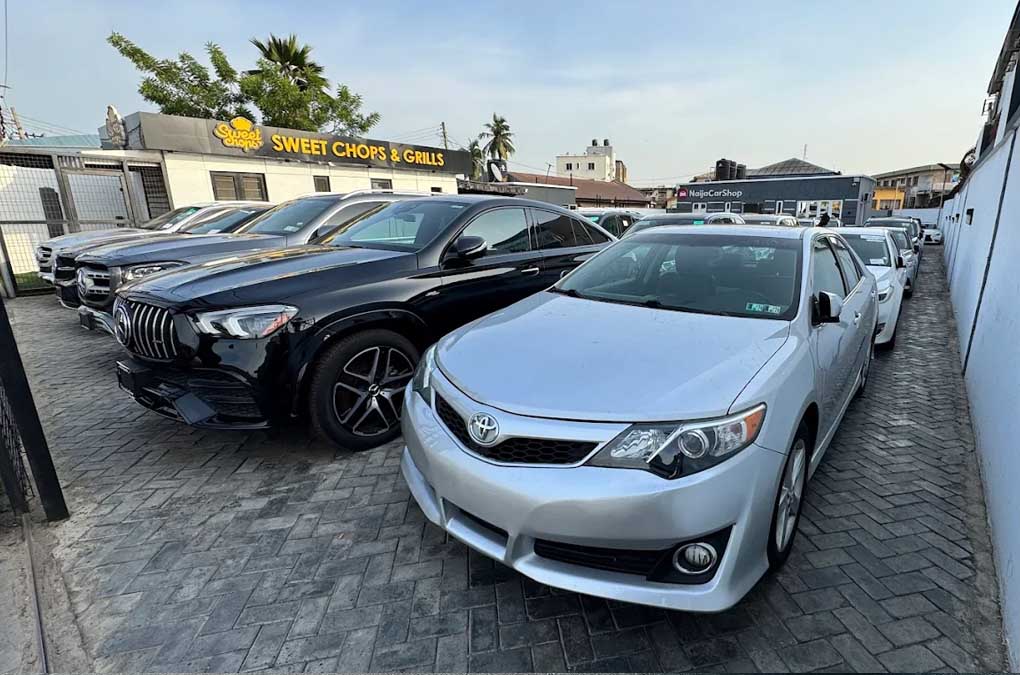
Buying a car in Nigeria today feels like navigating a market full of surprises, and sometimes, shocks. Prices fluctuate like fuel costs, the naira struggles for balance, and inflation keeps pushing everything upward. Yet, despite the tough market, smart negotiation remains your strongest weapon.
At a car lot in Lagos, Abuja, or Port Harcourt, two people can walk in for the same Toyota Camry, one pays ₦6.5 million, the other drives home with the same car for ₦5.8 million.
The difference? Negotiation skill.
Whether you’re buying a Tokunbo (foreign-used) or a Nigerian-used car, mastering the art of negotiation can save you hundreds of thousands, sometimes millions. Let’s break down how to play it smart and get the best value in a high-inflation economy.
1. Know the Market Before You Step In
The first rule of negotiation is information power.
Before walking into any car lot, research current market prices for your preferred model, trim, and year. Platforms like Carlots.ng, Jiji Cars, or Cheki Nigeria provide a solid benchmark for both Tokunbo and local prices.
For example, if you’re targeting a 2015 Lexus RX350, you might find listings ranging from ₦17.5 million to ₦20 million across different lots. Knowing this range helps you avoid being overcharged.
Pro Tip: Check the Vehicle Identification Number (VIN) to confirm the car’s true history and condition, especially for Tokunbo imports from the U.S. or Dubai.
2. Timing is Everything at Nigerian Car Lots
Even in a tight economy, timing can influence pricing.
Car dealers are human too; they have rent, bills, and inventory pressure. Visit at strategic times:
- Month-end or quarter-end: Dealers often reduce prices slightly to clear stock or meet sales targets.
- Rainy season: Fewer buyers means more bargaining power for you.
- Late afternoon visits: Dealers are sometimes more open to negotiation after a long day with fewer sales.
In Nigeria’s inflation-driven market, every ₦100,000 saved counts. So, walk in with confidence and choose your moment wisely.
3. Inspect the Car Like a Pro
Nothing gives you negotiation power like spotting flaws the seller hoped you’d overlook.
Here’s what to check carefully:
a. Body and Paint
Look for uneven paint shades, small dents, or signs of a previous accident. You can mention these when negotiating:
“This side looks like it was repainted, that’s at least ₦150,000 off bodywork.”
b. Engine and Transmission
Start the engine cold and listen. If it rattles, idles roughly, or the gear shifts harshly, that’s your cue to ask for a price reduction.
“Gear seems to delay, might need servicing soon.”
c. Tyres, AC, and Dashboard
Worn tyres or a weak AC system can help you justify a lower offer. These small faults add up to real costs.
Tip: Always inspect with a trusted mechanic or auto technician. A ₦10,000 inspection fee could save you ₦300,000 in unexpected repairs.
4. Speak With Confidence, Not Emotion
When negotiating, your tone and composure matter as much as your offer.
Nigerian car dealers quickly sense when a buyer is desperate or unsure.
Instead of saying:
“I really like this car, I must get it today.”
Say confidently:
“This car is nice, but I’ve seen similar options around ₦X million. If you can match that, I can pay now.”
Dealers respect buyers who sound informed and decisive. Confidence communicates that you know the market and that you’re not afraid to walk away.
5. Don’t Rush the Process
One of the most effective negotiation tactics is patience.
When a dealer sees you’re not in a hurry, they’re more likely to make concessions.
Walk away politely after making your offer. Many times, you’ll get a call the next day:
“Oga, come and take the car at your price.”
This strategy works especially well for Tokunbo cars, where margins are flexible.
6. Leverage Hidden Costs During Negotiation
Ask directly about registration, documentation, and inspection fees. Some dealers inflate these costs to make extra profit.
Once you uncover hidden charges, you can say:
“If I handle registration myself, what’s your best price?”
This approach can shave ₦100,000 to ₦250,000 off the total deal.
7. Compare Tokunbo vs. Nigerian-Used Cars Wisely
In a high-inflation economy, you must calculate value vs. longevity.
| Category | Pros | Cons |
|---|---|---|
| Tokunbo Cars | Cleaner condition, often better maintained | Higher purchase price, dollar exchange impact |
| Nigerian-Used Cars | More affordable, easier documentation | May require more maintenance |
If you’re negotiating for a Tokunbo, highlight foreign auction dents or import history as bargaining points.
For Nigerian-used cars, mention wear and tear, battery age, or missing accessories like reverse cameras or infotainment screens.
8. Use “Buy-Now Leverage”
Dealers value certainty. If you’re ready to pay instantly, say so early:
“If we can agree on ₦X million now, I’ll pay and take it today.”
That phrase alone can trigger quick discounts. But don’t bluff, only use it when you’re financially ready.
9. Be Smart About Payment and Receipts
Always make payments via bank transfer to the dealer’s official business account. Avoid cash-only deals.
Also ensure your receipt includes:
- Car model and year
- Agreed amount
- Dealer’s name and signature
This protects you in case of disputes or ownership verification.
10. Know When to Walk Away
No matter how much you want the car, never buy under pressure.
If the seller refuses to meet your fair offer, walk away calmly.
Nigeria’s car market is wide; another deal always awaits. The key is discipline and patience.
Conclusion
Negotiating car prices in Nigeria’s high-inflation market isn’t about being stingy; it’s about being strategic. Information, confidence, and patience are your strongest tools. Every ₦100,000 you save today matters tomorrow when petrol, parts, or servicing costs rise again.
So, before heading to any car lot, do your research, inspect wisely, and negotiate boldly. You’ll thank yourself when you drive away knowing you got the best possible deal.