
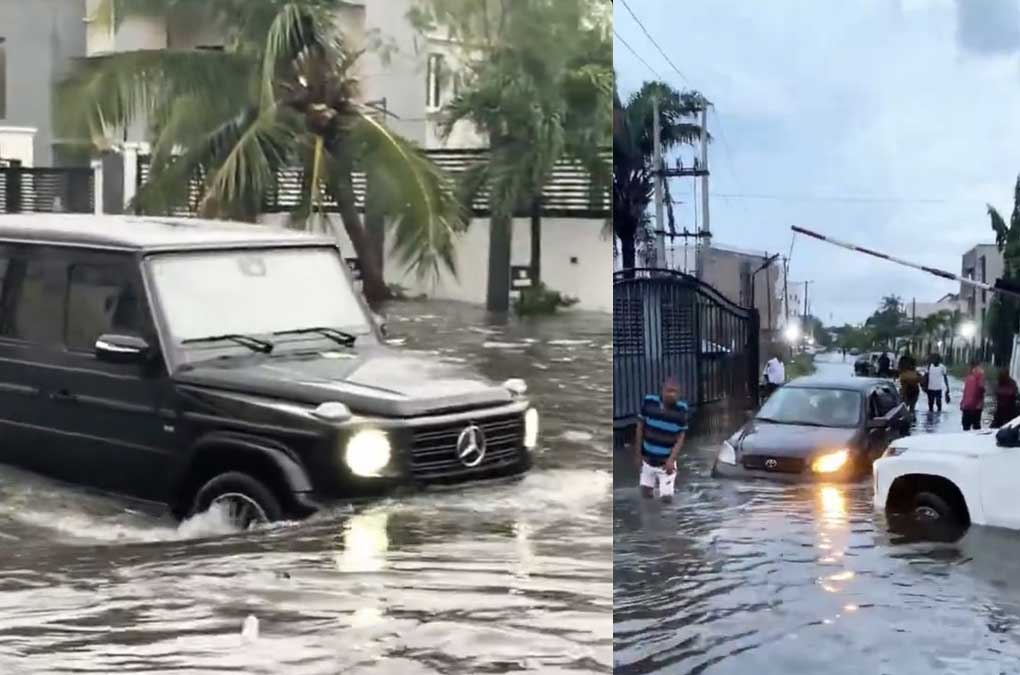
Every rainy season in Lagos, the story repeats itself. Heavy downpours turn major roads into rivers, and areas like Lekki and Ajah make the headlines for flooding. Cars are swept away, engines stall in deep water, and many unlucky drivers are left stranded with vehicles that won’t start.
If your car has ever been caught in a flood, you know the fear: water seeping into the interior, the engine choking, and the dashboard flickering like Christmas lights. Beyond the immediate chaos, floodwater leaves behind serious mechanical and electrical damage that could cost a fortune to fix if not handled properly.
So, what really happens when your car gets sucked into floodwater, and more importantly, what’s the right flood fix for cars in Nigeria? Let’s break it down.
What Happens When a Car Goes Through Flood
When floodwater enters a vehicle, it doesn’t just wet the carpets — it compromises key systems. The depth and duration of exposure often determine how bad the damage is.
1. Engine Hydrolock
The most severe problem is hydrolock. When water gets sucked into the engine through the air intake, it fills the combustion chamber. Unlike air and fuel, water cannot compress. This causes the engine pistons to seize, bend, or even crack. In many cases, the car simply shuts down, leaving the driver stranded.
2. Electrical System Failure
Floodwater often seeps into sensitive electrical components:
- ECU (engine control unit)
- Sensors
- Wiring harnesses
- Starter motor
Once these parts are soaked, you may experience stalling, dashboard errors, or a total refusal to start.
3. Transmission Damage
Automatic transmissions are particularly vulnerable. If water mixes with transmission fluid, it loses its lubrication properties, leading to gear slipping or total gearbox failure.
4. Brake System Problems
Flood exposure can reduce brake efficiency. Water in the brake pads or discs creates less friction, while prolonged exposure may corrode brake lines.
5. Interior and Cabin Damage
The visible part of flood damage usually starts inside the car: soaked seats, carpets, and foul odours. Beyond discomfort, this encourages rust under the floor panels and mould growth, which is unhealthy for occupants.
Signs Your Car Has Flood Damage
Not every driver immediately realises the full extent of flood damage. Here are warning signs to look out for after passing through waterlogged roads:
- Engine refuses to start or makes unusual knocking sounds.
- Dashboard warning lights stay on.
- Transmission struggles to change gears.
- Brakes feel spongy or less responsive.
- Damp smell that doesn’t go away.
- Interior electronics (windows, radio, AC) behaving erratically.
Spotting these early helps you act quickly before repairs become more expensive.
Immediate Steps to Take After Driving Through Flood
Many Nigerian drivers make the mistake of forcing their cars to restart after stalling in floodwater. That usually worsens the damage. Here’s what to do instead:
- Do not try to restart the engine. If water has entered the cylinders, starting it will cause hydrolock.
- Disconnect the battery to prevent electrical shorts.
- Tow the car to a trusted mechanic instead of driving it further.
- Drain all fluids (engine oil, transmission fluid, brake fluid) because water contamination is common.
- Dry out the interior quickly to prevent mould and corrosion.
Flood Fix for Cars: Repair Options in Nigeria
Now, let’s discuss practical fixes commonly used by mechanics in Lagos, Abuja, and other flood-prone areas.
Engine Repairs
- If water entered the engine, a mechanic may remove the spark plugs and crank the engine to push water out.
- Severe hydrolock often requires engine overhaul or replacement.
Electrical System Fix
- Drying and cleaning connectors with electrical spray.
- Replacing the ECU or damaged sensors if water caused permanent shorts.
Transmission Service
- Flushing out contaminated fluid and refilling with fresh transmission oil.
- In cases of severe damage, rebuilding the gearbox.
Brake Restoration
- Drying brake components with compressed air.
- Replacing brake pads or lines if corrosion has set in.
Interior Restoration
- Removing and drying carpets, seats, and upholstery.
- Using disinfectants and deodorisers to kill mould and remove odour.
- In serious cases, replacing the carpet lining.
Real-Life Example from Lagos
Just last year, after heavy rains in Lekki Phase 1, dozens of luxury cars, including Toyota Prado, Mercedes-Benz GLE, and Lexus RX, were spotted half-submerged. While some drivers managed to tow their vehicles quickly, others restarted their engines in panic and ended up with blown engines and damaged gearboxes.
The lesson here is clear: in flood situations, patience saves money. Immediate fixes done wrongly cost more than professional repairs later.
Preventing Flood Damage in the First Place
While you can’t always control Lagos floods, you can reduce your risks:
- Avoid driving into water you can’t judge the depth of. If you can’t see the road markings, it’s too deep.
- Install raised air intake/snorkel if you drive SUVs regularly in flood-prone areas.
- Service seals and weatherstrips to reduce water entry.
- Park in elevated areas during rainy seasons.
Insurance and Flooding
Another point Nigerians often overlook is insurance coverage. Comprehensive car insurance may cover flood damage, but many drivers settle for third-party policies. If you live in flood-prone zones like Ajah, Lekki, or Victoria Garden City, investing in a comprehensive plan can save you millions in repair costs.
Why Flood Fix for Cars Matters in Nigeria
Flooding is no longer an occasional problem — it’s seasonal. Every year, the same neighbourhoods make the news for submerged cars. For drivers, understanding the risks and fixes isn’t optional; it’s a survival skill. Whether it’s knowing how to react when your car stalls or choosing the right mechanic for repairs, being informed can make the difference between saving your car or losing it completely.
Conclusion
Flood damage is one of the most serious threats to cars in Nigeria’s rainy season. From engine hydrolock to electrical failure, the problems can be devastating if not handled quickly and correctly. But with the right flood fix for cars, professional repairs, and preventive measures, drivers can recover their vehicles and even avoid long-term issues.
As the rains continue to affect areas like Lekki and Ajah, it’s vital for car owners to stay alert, act wisely, and prioritise both safety and proper vehicle care. In the end, protecting your car from flood damage is not just about saving money — it’s about keeping your mobility secure in a city where every trip matters.