
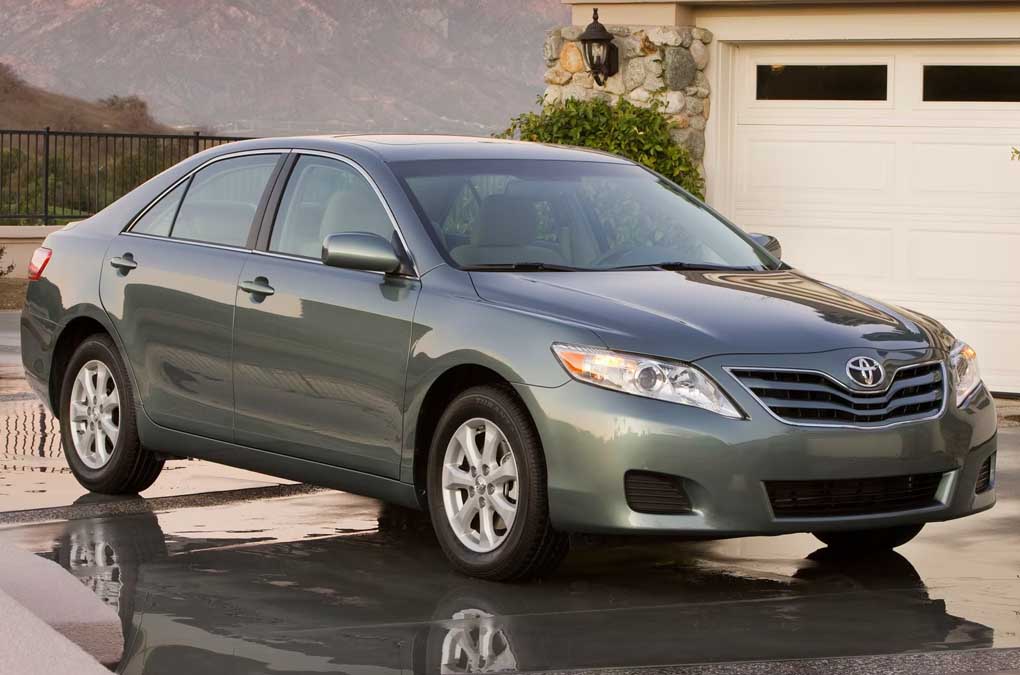
This guide is designed for the forward-thinking Nigerian buyer in 2026. It cuts through the noise of flashy but fragile options to focus on what truly matters: long-term dependability, affordable ownership, and practical performance on Nigerian roads. We will explore the vehicles that have proven their mettle time and again, offering peace of mind and genuine value for your hard-earned money. Forget the allure of high-spec, high-risk vehicles; the smartest buys are the ones built to last.
Table of contents
- The Quest for Reliability and Value
- Defining “Reliable” in the Nigerian Context (2026 Perspective)
- Why the ₦4 Million Budget is Critical for Nigerians
- Understanding Key Factors for Car Reliability in Nigeria
- Our Criteria for Selecting the Top 5 Cars Under ₦4 Million
- Age and Mileage Considerations for Used Cars (“Tokunbo” and Nigerian Used)
- Proven Durability of Engine and Transmission Systems
- Fuel Efficiency for Daily Commutes and Operating Costs
- Essential Safety Features and Structural Integrity
- Importance of Verifiable Vehicle History and Maintenance Records
- Toyota Camry LE (Older Generations: e.g., 2003-2011)
- Toyota Corolla (Older Generations: e.g., 2003-2010)
- Honda Accord (Older Generations: e.g., 2003-2012)
- Toyota Matrix / Pontiac Vibe (Older Generations: e.g., 2003-2008)
- Nissan Sentra (Older Generations: e.g., 2000-2012)
- Essential Buying Guide for Used Cars Under ₦4 Million in Nigeria
- Maintaining Your Reliable Car for Years to Come
- Conclusion
The Quest for Reliability and Value
In a country where a personal vehicle is often an essential tool for business, family, and daily life, reliability isn’t a luxury; it’s a necessity. The Nigerian car owner’s quest is a search for a vehicle that can withstand the rigours of daily commutes, navigate challenging road conditions, and not demand a fortune in upkeep. Value, in this context, extends far beyond the initial purchase price. It encompasses fuel efficiency, the cost and availability of spare parts, the ease of finding a competent mechanic, and the car’s ability to hold its worth over time. The ultimate goal is to find a car that serves as a dependable partner, not a demanding liability.
Defining “Reliable” in the Nigerian Context (2026 Perspective)
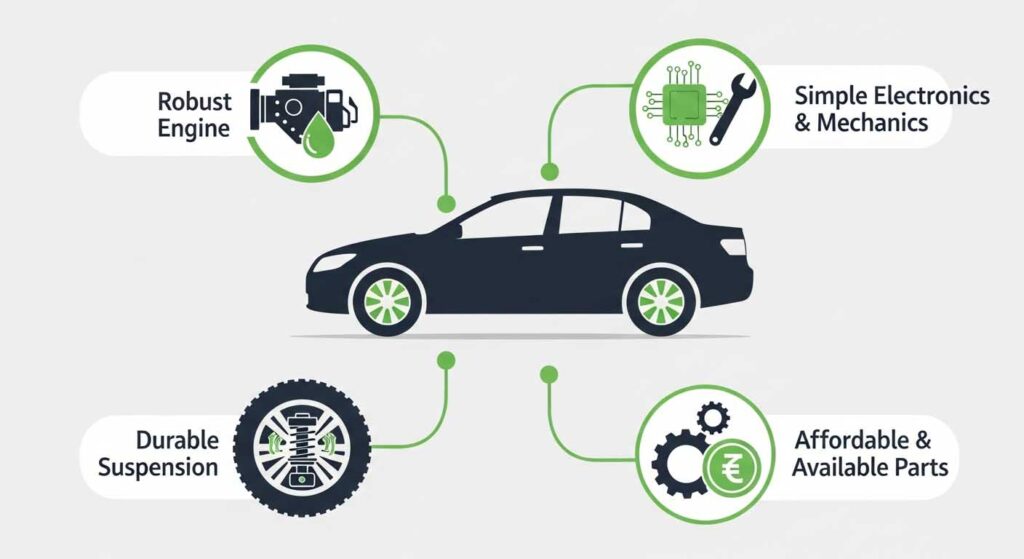
For the Nigerian driver in 2026, “reliable” means more than just a car that starts every morning. It’s a multi-faceted concept tailored to our unique environment. A truly reliable car in Nigeria possesses a robust engine that tolerates variations in fuel quality without protest. It features a durable suspension system engineered to absorb the shocks from potholes and uneven terrain. Reliability also means having a simple, non-complex transmission and electrical system that local mechanics can diagnose and repair without expensive, specialised equipment. Finally, it implies a strong aftermarket support system, ensuring that when a repair is needed, the parts are both readily available and affordable.
Why the ₦4 Million Budget is Critical for Nigerians
The ₦4 million mark represents a significant financial milestone for a large segment of Nigeria’s working and middle-class population. It’s an amount that often requires years of saving, investment, or access to financing. For many, it’s the budget for a first family car, a vehicle to start a small business, or an upgrade from a less dependable automobile. However, due to inflation and the fluctuating value of the Naira, the purchasing power of ₦4 million has been steadily redefined. What it can secure in the used car market of 2026 is vastly different from previous years, pushing pristine, recently imported “Tokunbo” cars just out of reach and elevating the importance of well-maintained, proven Nigerian-used vehicles as the most intelligent choice.
Understanding Key Factors for Car Reliability in Nigeria
Choosing a reliable car in Nigeria involves looking beyond the brand name and aesthetics. It requires a practical understanding of the specific mechanical attributes that allow a vehicle to thrive in our demanding environment. These core factors separate the workhorses from the ” hangar queens” and are the true determinants of a smart investment.
Road Durability: Suspension and Chassis Resilience
Nigeria’s road network is a mixed bag, ranging from smooth highways to pot-hole-riddled urban streets and unpaved rural tracks. A car’s ability to withstand these conditions daily without falling apart is paramount. This is where suspension and chassis integrity become critical. A reliable car for Nigeria must have a robust suspension system—comprising shocks, struts, and control arms—that is over-engineered for its class. Components should be durable and designed for longevity. Furthermore, a resilient chassis ensures the car’s frame can handle repeated stress without developing structural weaknesses, rattles, or alignment issues, providing a stable and safe ride for years.
Engine Robustness and Fuel Quality Tolerance
The engine is the heart of any vehicle, and in Nigeria, it needs to be exceptionally tough. The ideal engine for this market is one that is not overly sensitive to the occasional variations in fuel quality. Highly complex, turbocharged, or direct-injection engines can be finicky and may require premium fuel and specialised maintenance that can be costly and hard to find. In contrast, proven, naturally-aspirated four-cylinder and V6 engines found in brands like Toyota and Honda are celebrated for their robustness. Their simpler design makes them more forgiving and significantly easier for the average Nigerian mechanic to service and repair, keeping long-term costs down.
Spare Parts Availability and Affordability Across Key Cities (Lagos, Abuja, Port Harcourt)
A car is only as reliable as its support network. Even the most durable vehicle will eventually need replacement parts. This is where the dominance of certain brands becomes a huge advantage. For popular models from manufacturers like Toyota and Honda, a vast ecosystem of spare parts exists across Nigeria’s major commercial hubs—from the bustling markets of Ladipo in Lagos to dealers in Abuja and Port Harcourt. This widespread availability ensures that whether you need a brake pad, a water pump, or a headlamp, you can find it quickly and at a competitive price. This contrasts sharply with less common brands, where a minor repair can turn into a weeks-long ordeal of sourcing expensive parts from abroad.
Ease of Maintenance and Repair
The complexity of modern cars is increasing, but for the ₦4 million budget in 2026, simplicity is a virtue. A reliable car should be one that a competent local mechanic can understand and work on without needing proprietary diagnostic software or highly specialised tools. The cars that have earned a reputation for reliability in Nigeria are typically those with straightforward mechanical and electrical systems. This accessibility of technical expertise means repairs are faster, labour costs are lower, and you are less likely to be stranded due to a problem that no one in the vicinity can solve.
Long-Term Value and Avoiding Hidden Costs of Less Dependable Cars
The initial purchase price is just the first chapter in the story of car ownership costs. A cheaper, less dependable car can quickly become a money pit. Frequent breakdowns lead to towing fees, costly repairs, and lost productivity. Cars with poor fuel economy will drain your wallet at the pump. Vehicles like an older, seemingly cheap Hyundai Sonata or a bargain-basement Lexus might look tempting, but their complex systems and expensive parts can lead to crippling repair bills. A truly reliable car minimises these hidden costs, offering predictable running expenses and retaining a respectable portion of its value over time, making it a wiser financial decision in the long run.
Our Criteria for Selecting the Top 5 Cars Under ₦4 Million
To identify the most reliable vehicles for the Nigerian market in 2026 within this budget, we applied a stringent set of real-world criteria. Our focus is squarely on practicality, longevity, and total cost of ownership, ensuring these recommendations provide genuine, lasting value.
Age and Mileage Considerations for Used Cars (“Tokunbo” and Nigerian Used)
For a ₦4 million budget in 2026, the market primarily consists of used cars. We prioritise models where age and mileage are less of a detriment due to exceptional build quality. The debate between foreign-used (“Tokunbo”) and Nigerian-used is crucial here. A well-maintained, 12-year-old Nigerian-used car with a verifiable service history is often a much safer bet than a “Tokunbo” of the same age with questionable mileage and a hidden history of accidents or flood damage. Our selections favour models known to endure high mileage gracefully.
Proven Durability of Engine and Transmission Systems
The powertrain is the most critical and expensive component of any car. Our selected vehicles are renowned for their bulletproof engine and transmission combinations. We focused on models with engines that are known to run for hundreds of thousands of kilometres with basic maintenance. For the transmission, we gave preference to conventional automatic gearboxes known for their smooth operation and durability, as well as robust manual options, which are often even more reliable and cheaper to maintain.
Fuel Efficiency for Daily Commutes and Operating Costs
With fluctuating fuel prices, efficiency is a major factor in a car’s affordability. We selected sedans and compact vehicles that offer a healthy balance of adequate performance and excellent fuel economy. These cars are designed to be economical for daily city driving and sensible on longer highway journeys. Low fuel consumption directly translates to significant savings over the lifetime of the vehicle, making it a key pillar of our selection process.
Essential Safety Features and Structural Integrity
While older cars may not have the latest tech, fundamental safety is non-negotiable. Our chosen models were selected for their solid structural integrity, reliable braking systems, and the inclusion of essential safety features for their era, such as airbags and Anti-lock Braking Systems (ABS). A car’s ability to protect its occupants in the event of a collision is a critical aspect of its overall value.
Importance of Verifiable Vehicle History and Maintenance Records
A car without a history is a gamble. We emphasise the importance of choosing vehicles where some form of maintenance history can be traced. For Nigerian-used cars, this could be service records from a reputable workshop. For any used car, a thorough pre-purchase inspection by a trusted mechanic is essential to verify its condition and uncover any potential red flags hidden by a shiny exterior. This due diligence is the best way to ensure you’re buying a healthy vehicle.
Toyota Camry LE (Older Generations: e.g., 2003-2011)
Often called the “King of Nigerian Roads,” the Toyota Camry is synonymous with reliability. Within the ₦4 million budget, generations spanning from 2003 to the 2011 models (particularly the XV30 and XV40 series) represent outstanding value. We specifically recommend the LE trim, which typically comes with the famously durable 2.4-litre 4-cylinder engine (2AZ-FE). This engine provides adequate horsepower for city and highway driving while being relatively fuel-efficient. Its simple mechanics mean any competent technician can work on it, and parts are arguably the most common in Nigeria. The Camry offers a spacious, comfortable interior and a suspension tough enough to handle Nigerian roads, making it an ideal family sedan or a reliable executive car. Its performance is smooth and predictable, and its transmission is known for longevity.
Toyota Corolla (Older Generations: e.g., 2003-2010)
If the Camry is the king, the Toyota Corolla is the undisputed champion of dependability and low ownership costs. The ninth generation (2003-2008) and early tenth generation (2009-2010) models are prime targets for the ₦4 million budget. Powered by the legendary 1.8-litre 1ZZ-FE engine, the Corolla is a masterpiece of efficient, reliable engineering. It is exceptionally fuel-efficient, making it perfect for daily commuting. Its smaller size makes it nimble in traffic, yet the interior is surprisingly roomy. The Corolla’s suspension is built to last, and its engine and transmission are known to run flawlessly for well over 300,000 kilometres with just basic maintenance. For a first-time car buyer or anyone seeking the lowest possible running costs without sacrificing reliability, the Corolla is the gold standard.
Honda Accord (Older Generations: e.g., 2003-2012)
For those who desire a bit more driver engagement without compromising on Japanese reliability, the Honda Accord is an excellent choice. The seventh (2003-2007) and eighth (2008-2012) generations, often dubbed “End of Discussion” and “Evil Spirit” respectively in Nigeria, fall within this budget. Honda’s engines, particularly their 2.4-litre K24 4-cylinder, offer a brilliant mix of performance, horsepower, and reliability. The Accord provides a slightly sportier driving experience than its Toyota counterparts, with sharper handling. While its automatic transmission can be more sensitive than a Toyota’s and requires diligent fluid changes, a well-maintained example is very dependable. Parts are widely available, second only to Toyota, making it a practical and enjoyable choice for the discerning driver.
Toyota Matrix / Pontiac Vibe (Older Generations: e.g., 2003-2008)
This is one of the market’s best-kept secrets. The Toyota Matrix and its twin, the Pontiac Vibe (built in the same factory with Toyota mechanicals), are essentially a Toyota Corolla in a more practical and versatile hatchback/wagon body. They share the same ultra-reliable 1.8-litre engine, transmission, and chassis as the Corolla of the same era. This means you get the same legendary dependability, low fuel consumption, and cheap maintenance costs, but with the added benefit of a larger cargo area. This makes it a fantastic choice for small families or business owners who need extra utility. As it’s less common than the Corolla, you can often find a well-maintained example at a very competitive price. It’s one of the smartest used cars you can buy.
Nissan Sentra (Older Generations: e.g., 2000-2012)
While Nissan’s reputation has varied, specific generations of the Sentra offer fantastic value and solid reliability, serving as a great alternative to the dominant Toyota and Honda sedans. The B15 (2000-2006) and B16 (2007-2012) generations, particularly those equipped with a manual transmission or the conventional automatic (avoiding later CVTs), are robust and economical cars. Their engines, like the 1.8L QG18DE, are known for being durable and easy to work on. The Sentra provides a comfortable ride, decent fuel economy, and a lower purchase price compared to a similarly aged Corolla. While parts may not be as ubiquitous as Toyota’s, they are still readily available in major cities. For a buyer on a tight budget seeking a dependable daily driver, a well-inspected Nissan Sentra is a worthy contender.
Essential Buying Guide for Used Cars Under ₦4 Million in Nigeria
Securing a reliable vehicle is not just about choosing the right model; it’s about executing a smart purchasing process. With a ₦4 million budget, due diligence is your most powerful tool to avoid buying someone else’s problems.
Thorough Pre-Purchase Inspection: What to Check
Never buy a car based on its looks alone. A pre-purchase inspection (PPI) by a trusted, independent mechanic is non-negotiable. Key areas to focus on include:
- Engine: Check for oil leaks, unusual noises (knocking, ticking), or blue/white smoke from the exhaust. Inspect the oil and coolant for signs of contamination.
- Transmission: During the test drive, ensure the gear shifts are smooth, without jerking or delays. For manual cars, check the clutch for slipping.
- Suspension and Frame: Look for uneven tyre wear, which can indicate alignment or suspension issues. Your mechanic should check for worn-out bushings, leaky shocks, and any signs of frame damage from a major accident.
- Body and Rust: Inspect for signs of rust, especially on the undercarriage. Check for inconsistent paintwork or panel gaps, which can indicate previous accident repairs.
- Electricals: Test all lights, windows, air conditioning, and dashboard warning lights to ensure they function correctly.
Verifying Vehicle History and Documentation
Proper documentation is essential to ensure you are buying a legitimate vehicle. Insist on seeing the original vehicle documents, including the Customs papers, to verify that it was legally imported and that all duties were paid. Cross-reference the Vehicle Identification Number (VIN) on the documents with the VIN on the car’s chassis and dashboard. This simple check helps you avoid stolen vehicles or cars with fraudulent paperwork.
The Critical Test Drive
The test drive is your opportunity to feel how the car performs in real-world conditions. Drive it on different types of roads, a smooth street, a bumpy road, and, if possible, a highway. Listen for any strange noises from the engine, suspension, or brakes. Feel for vibrations in the steering wheel or unusual pulling to one side. Pay close attention to how the engine responds and how the transmission shifts under acceleration. A comprehensive 15-20 minute test drive can reveal problems that a visual inspection might miss.
Where to Source Your Reliable Car
You have several options for sourcing a used car in Nigeria, each with its pros and cons. Reputable used car dealerships may offer a small warranty and have a reputation to protect, but their prices might be higher. Buying directly from a private owner can often yield a better price and a more detailed history of the car, but it requires more vigilance. Most popular online platforms, carlots.ng can be a good starting point for your search, but always insist on seeing and inspecting the car in person before any money changes hands.
Budgeting Beyond the Purchase Price
Your total budget should account for more than just the sticker price of the car. Set aside at least 10-15% of the purchase price for immediate post-purchase expenses. This includes the costs of vehicle registration and transfer of ownership, insurance, and an initial comprehensive service. This first service should involve changing the engine oil, all filters (oil, air, fuel), transmission fluid, and coolant, and giving the car a thorough check-over to establish a baseline for future maintenance.
Maintaining Your Reliable Car for Years to Come
The journey to reliable car ownership doesn’t end when you drive off the lot. The key to ensuring your carefully selected vehicle serves you faithfully for years is consistent and proactive maintenance. This approach transforms a good car into a great long-term investment.
Adopting a Proactive Maintenance Schedule
Instead of waiting for something to break, adopt a proactive mindset. Create a simple maintenance schedule based on your vehicle’s owner’s manual or the advice of your trusted mechanic. This schedule should prioritise regular fluid changes, which are the lifeblood of your vehicle.
- Engine Oil: Change the oil and filter every 5,000 kilometres or every 6 months, whichever comes first. This is the single most important thing you can do for engine longevity.
- Transmission Fluid: Follow the recommended interval for draining and refilling the transmission fluid to keep it shifting smoothly.
- Coolant: Flush and replace the engine coolant every two years to prevent overheating and corrosion.
- Brakes: Regularly inspect brake pads and fluid to ensure your car’s stopping power is always at its best. By staying ahead of these basic service items, you prevent small issues from escalating into major, expensive repairs, ensuring your reliable car lives up to its name.
Conclusion
Navigating the Nigerian used car market with a ₦4 million budget in 2026 requires a strategic shift away from chasing the newest possible model and towards embracing proven, time-tested reliability. The economic reality dictates that the best value lies not in superficially attractive but mechanically complex vehicles, but in workhorses that have demonstrated their durability on our unique roads. The key to success is prioritising a vehicle’s fundamental strengths: a robust engine, a resilient suspension, and the widespread availability of affordable spare parts.
Our top recommendations, the Toyota Camry (2003-2011), Toyota Corolla (2003-2010), Honda Accord (2003-2012), the versatile Toyota Matrix/Pontiac Vibe (2003-2008), and the economical Nissan Sentra (2000-2012), all embody these principles. They represent smart, pragmatic choices that minimise long-term costs and maximise peace of mind.
Your next steps are clear. Use this guide to shortlist potential models, but let diligent inspection be your final arbiter. Always engage a trusted mechanic for a thorough pre-purchase check, meticulously verify all documents, and never skip a comprehensive test drive. By combining this knowledge with a commitment to proactive maintenance, you can confidently purchase a vehicle under ₦4 million that will not only meet your needs but will serve as a dependable partner for many years to come. In the end, the smartest car purchase is the one that keeps you on the road, not on the roadside.