
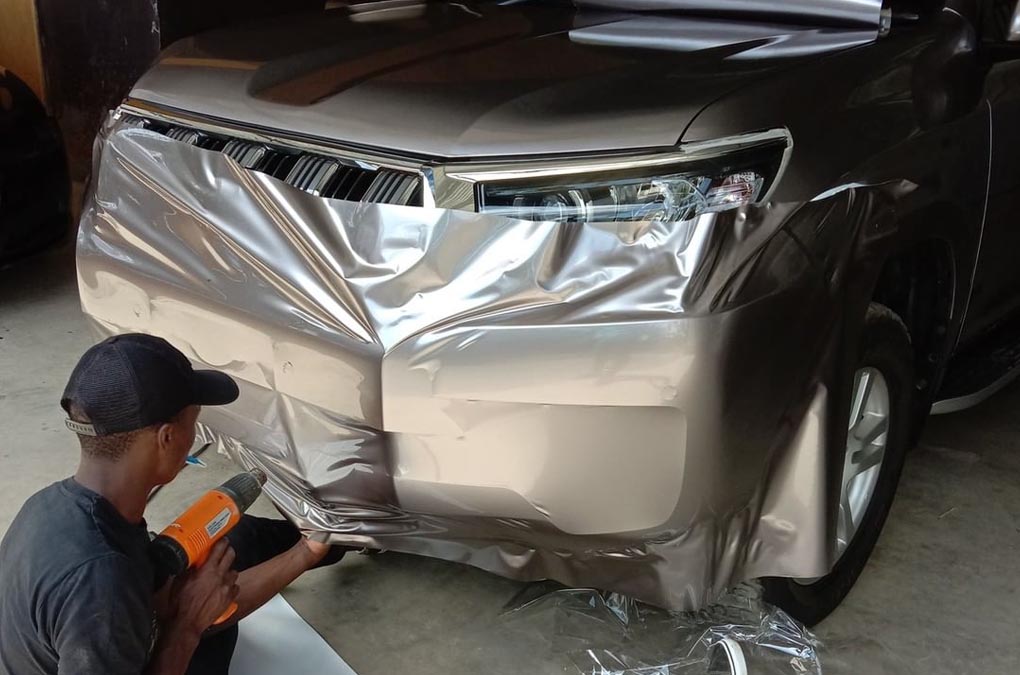
If you live in Lagos, Abuja, or Port Harcourt, you’ve likely noticed a surge in matte black Mercedes and colour-shifting Toyotas cruising the streets. That isn’t factory paint, it’s the rising trend of car wraps.
For many Nigerian car owners, wrapping offers a chance to refresh a “boring” Tokunbo vehicle or protect the original paint of a brand-new, tear-rubber ride. But before you rush to the nearest detailer in Ikeja or Wuse 2, you need to look before you leap. From the wahala of police permits to the harsh reality of Harmattan dust, wrapping a car in Nigeria comes with its own unique set of rules.
This guide breaks down everything you need to know about the cost, legal risks, and maintenance of car wraps in Nigeria.
How Much Does Car Wrapping Cost in Nigeria?
Let’s talk money. The price of wrapping a car in Nigeria varies wildly depending on your location, the size of your vehicle, and—most importantly, the quality of the vinyl used.
In 2024/2025, you are generally looking at two categories of pricing:
1. The “Budget-Friendly” Wrap
If you visit a local printer or a general branding shop in Shomolu or Area 10, you might find cheaper rates. These usually use generic Chinese vinyl.
- Partial Wrap (Bonnet/Roof only): ₦65,000 – ₦90,000
- Full Body Wrap (Sedan): ₦200,000 – ₦350,000
The Catch: These materials often lack air-release technology (leading to bubbles) and may fade or crack within 6–12 months under the Nigerian sun.
2. The Premium Professional Wrap
This is what you get at specialised detailing studios. They use high-grade brands like 3M, Avery Dennison, or Inozetek. These films are thicker, glossier, and protect your paint better.
- Full Body Wrap (Sedan – e.g., Camry, Corolla): ₦500,000 – ₦800,000
- Full Body Wrap (SUV – e.g., Prado, G-Wagon): ₦800,000 – ₦1,500,000+
- Special Finishes (Chrome, Colour-Shift, Carbon Fibre): Expect to pay a premium, often starting above ₦1.2 Million.
Pro Tip: Always ask your installer for the brand name of the vinyl. If they can’t tell you, or if the price looks “too good to be true,” you’re likely paying for a sticker that will damage your paint when you try to peel it off later.
The Legal Risks: FRSC and The Nigerian Police
This is the part most people ignore until they meet a checkpoint. Changing the colour of your car without documentation is illegal in Nigeria.
If your vehicle registration says “Silver” and you wrap it in “Matte Black,” you are giving the Police or FRSC a valid reason to delay your journey.
How to Stay Legal
To avoid “anything for the boys” situations, follow these steps immediately after wrapping your car:
- Apply for a Change of Particulars: Visit the nearest licensing office.
- Police Report/Permit: You may need a police report stating the reason for the colour change (usually “aesthetic”).
- Update your CMR (Central Motor Registry): This is crucial. Your new car colour must reflect on the police database.
- Carry Evidence: Keep a copy of the permit in your glove box at all times.
If you are only wrapping the roof or bonnet (partial wrap), you are usually safe, but a full colour change requires updated papers.
The “Nigerian Factor”: Weather and Environmental Risks
Our weather is not kind to vinyl. Unlike in Europe or North America, car wraps in Nigeria face extreme conditions:
- Intense UV Rays: The Nigerian sun is aggressive. Cheap vinyl will fade or turn a yellowish hue (especially white wraps) within months. High-quality cast vinyl (like 3M 2080) is designed to resist this UV damage for 3-5 years.
- Harmattan Dust: During Harmattan, the air is filled with fine grit. If you “dry wipe” your dusty car, you are essentially sanding the vinyl, which destroys the glossy finish.
- Heat & Humidity: Engine heat combined with 35°C+ weather can cause cheap adhesive to fail, leading to lifting at the edges (check the door handles and bumpers).
Maintenance: How to Make Your Wrap Last
You just spent ₦600k on a wrap; don’t ruin it with a ₦500 roadside car wash. The way you clean your car determines if the wrap lasts 4 years or 4 months.
1. Avoid High-Pressure Washers
Warn your local car wash guy: “No pressure washer close to the body!”
High-pressure water can lift the edges of the vinyl, causing it to peel. If they must use a machine, they should stand at least 3 feet away and spray at a wide angle.
2. The Two-Bucket Method
Hand washing is king. Use one bucket for soapy water and another for rinsing your sponge. This prevents grit from scratching the wrap. Use a pH-neutral car shampoo, not detergent or dish soap, which can dry out the vinyl.
3. Park in the Shade
This sounds simple, but it is vital. If you park under the direct sun at the office every day, your wrap’s lifespan is cut in half. Use a car cover if you don’t have a covered garage.
4. Deal with Bird Droppings Immediately
Bird droppings are acidic. On a wrap, they can burn a permanent stain into the vinyl within hours. Keep a small spray bottle of water and a microfiber cloth in your boot to wipe them off as soon as you see them.
Wrap vs. Respray: Which is Better for You?
Still on the fence? Here is a quick comparison to help you decide.
| Feature | Car Wrap | Paint Respray (Oven Bake) |
| Cost | ₦300k – ₦1.5M | ₦150k – ₦600k |
| Durability | 3 – 5 Years | 5 – 10 Years (Permanent) |
| Resale Value | Protects resale value (removable) | Can lower value (viewed as accident repair) |
| Time to Complete | 3 – 5 Days | 2 – 4 Weeks |
| Variety | Unlimited (Textures, Designs) | Limited to paint colours |
Conclusion
Wrapping your car in Nigeria is a fantastic way to personalise your ride and protect your original paintwork from our rough roads. However, it is not a “set it and forget it” upgrade. It requires a significant upfront investment, legal diligence to update your papers, and a commitment to careful maintenance.
If you are willing to pay for premium materials and treat the car with care, a wrap will turn heads from Lekki to Maitama. But if you are looking for a cheap, quick fix, a standard oven-bake respray might be the more durable option for your wallet.