
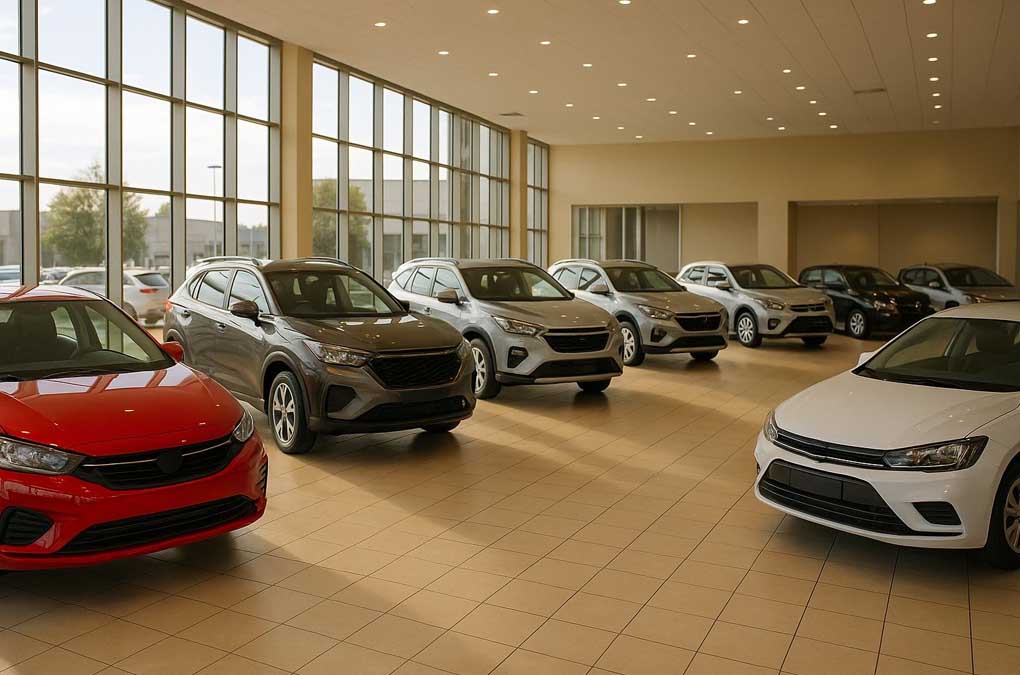
There’s a unique rhythm to African roads. From the bustling streets of Lagos to the wide-open highways of South Africa, the vehicles you see tell a story of practicality, resilience, and a touch of status. It’s not just about a fancy ride; it’s about a car that can handle the grind, the potholes, the long-distance journeys, and still come out looking good.
If you’ve ever stood on a street in Ikeja, you’ll know that the sight of a brand-new car is a statement. But the real heroes of our roads are the ones that have been a part of the family for years. The “tokunbo” vehicles, as we fondly call them in Nigeria, have a special place in our hearts. This is why when we talk about Car Brands in Africa, we’re not just looking at new sales figures; we’re also talking about the brands that have proven their mettle over time.
The African automotive landscape is dynamic and full of surprises. While some global giants hold an unshakeable grip, new players, especially from Asia and even within Africa, are quickly gaining ground. This article isn’t just a list; it’s a deep dive into the real reasons behind the popularity of these brands. We’ll look at everything from reliability and maintenance costs to resale value and brand perception, all with a Nigerian lens. So, let’s get into the engine room and see what’s truly driving the African market.
The Unbeatable Giants: Why Some Brands Rule the Road
When you think about a car that just works, what brand comes to mind? For most Africans, and especially Nigerians, the answer is almost always the same. These brands have built a reputation on a foundation of trust and durability.
1. Toyota: The King of African Roads
It’s impossible to talk about Nigeria cars without starting with Toyota. This brand isn’t just a car; it’s a household name. You’ll hear it in conversations on every street corner. Why? The reasons are simple and powerful:
- Legendary Durability: Toyota cars are built to last. The phrase “Toyota for life” isn’t a joke here. Their vehicles, from the evergreen Toyota Corolla to the rugged Toyota Hilux, are known for their ability to withstand the harsh realities of African roads.
- Affordable Maintenance: Parts are everywhere. Whether you’re in a major city or a remote town, finding a mechanic who can fix a Toyota and parts that won’t break the bank is a given. This low cost of ownership is a massive factor for the average Nigerian.
- High Resale Value: A well-maintained Toyota holds its value like gold. This makes it a smart investment, as you know you can always sell it for a good price later on.
The Toyota brand’s dominance is undeniable. In South Africa, the company’s manufacturing presence has solidified its number one spot in sales. The same story plays out in countries like Kenya, where the Toyota Hilux and Land Cruiser are the go-to choices for businesses and individuals alike. This widespread presence and support network make it an easy winner.
2. Volkswagen: The People’s Car with a Solid Punch
Volkswagen has a strong, storied history in Africa, especially in countries like South Africa. Remember the iconic VW Beetle and Golf? They were everywhere. Today, the brand has evolved, but its core appeal remains the same: solid German engineering.
The Volkswagen Polo Vivo is a top-seller in South Africa, a testament to the brand’s focus on practicality and quality. In Nigeria, while not as ubiquitous as Toyota, VW models like the Golf and Passat have a loyal following. They are seen as reliable, comfortable, and a step up in class without the exorbitant maintenance costs of some other European brands.
- Robust Engineering: VW cars are known for their solid build and composed handling, which makes them feel safe and dependable, even on bumpy roads.
- European Appeal, African Reality: They strike a perfect balance between European style and the ruggedness needed for our environment.
3. Hyundai: The Korean Contender
Once seen as an alternative, Hyundai has now firmly established itself as a major player. The brand has been aggressive with its designs and features, offering a lot of value for money.
- Sleek Design and Modern Features: Hyundai cars like the Hyundai Accent and Tucson are praised for their stylish looks and modern interiors, giving buyers a sense of luxury without the hefty price tag.
- Impressive Warranty: The long warranties offered by Hyundai and its sister brand Kia have built consumer confidence, assuring buyers that they are getting a reliable product.
Hyundai has even managed to outsell Toyota in certain key African markets like Algeria, Egypt, and Angola, which shows just how much ground they’ve gained. This is a brand to watch as they continue to invest in the African market.
The Rising Stars and Niche Players: More Than Just a Car
Beyond the top three, the African market is a melting pot of brands that cater to different needs, budgets, and tastes.
4. Nissan: The Dependable Workhorse
Nissan has always been a key player in the African market, particularly with its range of pickups and SUVs. The Nissan Hardbody is a legendary name, known for its sheer ruggedness.
- Off-Road Capability: For those who need a vehicle for both work and adventure, Nissan’s 4x4s like the Patrol and Navara are top choices. They can handle tough terrain and heavy loads with ease.
- Local Assembly: Nissan has a significant manufacturing presence in South Africa and Egypt, which helps with parts availability and local market integration.
5. Honda: The Alternative to the Crown
For many Nigerians, Honda is the main rival to Toyota. The Honda Accord, often nicknamed “End of Discussion” or “Evil Spirit” in its different generations, and the Honda Civic are hugely popular for their sporty feel and reliability.
- Spunky Performance: Honda cars are often seen as more fun to drive than their Toyota counterparts, with a strong emphasis on performance and a more premium feel.
- Reliability with a Twist: While known for reliability, some models can be more expensive to maintain than a Toyota, but for the enthusiast, the driving experience is worth it.
Suggested post: TOP Japanese SUVs That Could Bankrupt You Through Repair And Maintenance Costs
The Luxury and Aspirations: More Than Just Transport
While the majority of the market is dominated by practical, mass-market brands, there is a growing segment that craves luxury, and some brands have carved out a loyal following.
6. Mercedes-Benz: The Symbol of Success
In Nigeria, a Mercedes-Benz is more than a car; it’s a status symbol. From the sleek C-Class to the imposing G-Wagon, the three-pointed star signifies arrival and success.
- Prestige and Comfort: Known for its luxurious interiors, advanced technology, and high level of comfort, Mercedes-Benz is the choice for the affluent.
- Strong Brand Loyalty: Once you’re a Mercedes owner, you’re part of a community. The brand commands a fierce loyalty based on its reputation for quality and prestige.
7. BMW: The Ultimate Driving Machine
If Mercedes-Benz is about comfort and prestige, BMW is about the pure joy of driving. Its sporty design and engaging performance appeal to a younger, more aspirational demographic.
- Performance and Handling: BMW’s “Ultimate Driving Machine” slogan isn’t just marketing. The brand’s cars are known for their exceptional handling and powerful engines.
- Status Symbol: Like Mercedes, BMW is a marker of success, particularly in major cities like Lagos and Abuja.
8. Isuzu: The Heavy-Duty Contender
While not a household name for passenger cars in Nigeria, Isuzu is a giant in the commercial vehicle space. The Isuzu D-Max pickup is a common sight on construction sites and farms across the continent.
- Dependable Workhorse: Isuzu’s reputation is built on making tough, durable vehicles that can handle the most demanding tasks.
- Commercial Appeal: It’s a favorite among businesses and fleet operators who need a reliable truck for heavy-duty use.
The New Frontier: African and Chinese Brands
The narrative of African cars is changing. It’s no longer just about imports. Local and Chinese manufacturers are making a big splash, offering affordable and well-suited alternatives.
9. Innoson Vehicle Manufacturing (IVM): The Nigerian Dream
You can’t write an article for a Nigerian audience without talking about Innoson. The first truly indigenous vehicle manufacturer in Nigeria, IVM is a symbol of national pride.
- Local Pride: Owning an Innoson car, like the IVM G6 SUV, is a statement of support for local industry.
- Designed for Nigeria: Innoson vehicles are specifically designed and built for our road conditions, with features that cater to the local environment. While they are still finding their footing, the potential is huge.
10. Haval/Chery: The Chinese Invasion
Chinese Car Brands like Haval and Chery are quietly but surely shaking up the African market. They offer brand-new cars with impressive features at a price point that is hard to beat.
- Value for Money: You get a lot of car for your money, with modern designs, touchscreens, and safety features that you would only find in much more expensive European or Japanese models.
- Growing Presence: Their sales are growing rapidly in markets like South Africa, and it’s only a matter of time before they become a more common sight on Nigerian roads. They are a sign of the new direction the market is heading.
Conclusion: The Road Ahead
The African automotive market, and especially the Nigeria cars market, is a fascinating ecosystem. It’s a blend of legacy and innovation, of practicality and prestige. While brands like Toyota will likely continue to dominate for their unmatched reliability and resale value, the rise of Hyundai, and the entry of local champions like Innoson and Chinese players, signals a shift.
The African consumer is becoming more informed, and the demand is for vehicles that not only get the job done but also offer value, style, and a touch of something new. Whether you’re looking for a rugged workhorse, a dependable family car, or a symbol of success, the choices are growing, and the competition is heating up. For car lovers and buyers in Nigeria, this is an exciting time to be on the road.