
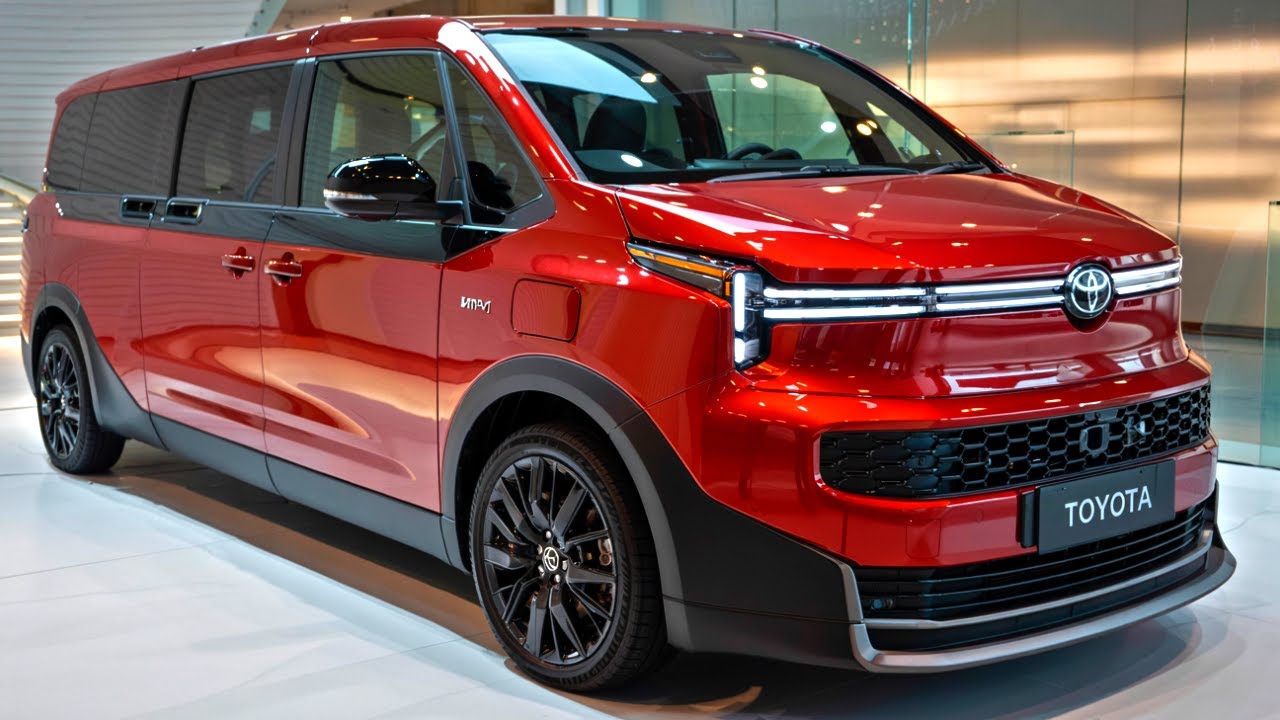
Ask any large Nigerian family, church transport manager, or high-end hotel shuttle service what their go-to vehicle is for moving people comfortably and reliably, and the answer will almost certainly be the TOYOTA SIENNA. It’s more than just a car; it’s practically a mobile office, a moving family room, and a trusted partner for countless entrepreneurs across the country.
The Sienna has earned its legendary status in Nigeria through sheer toughness, abundant space, and the promise of that famous Toyota reliability. However, with the market flooded with various model years, trims, and different customs statuses (Tokunbo or locally used), knowing exactly what to look for can feel like a minefield. This comprehensive guide cuts through the noise. We’ll arm you with the insider knowledge you need to secure the perfect TOYOTA SIENNA without falling victim to costly pitfalls.
Why the TOYOTA SIENNA Dominates the Nigerian Road

Before we dive into the nitty-gritty of buying, let’s acknowledge why the Sienna is so popular here. Simply put, it fits the Nigerian reality perfectly. The spacious V6 engine (in most popular generations) provides enough power to handle a full load of passengers and cargo, even when navigating the famously challenging Nigerian road network.
The sliding doors—power-operated or manual- are a game-changer in tight spaces, especially for dropping off kids at school or picking up clients in busy Lagos traffic. But its true appeal lies in its low cost of ownership and the readily available spare parts that you can find in almost any major market, from Ladipo to spare parts dealers in Kano. This is the Toyota advantage: a car that is easy to fix and keeps its resale value.
Decoding the Market: Tokunbo vs. Locally Used
The first decision any potential buyer of a TOYOTA SIENNA must make in Nigeria is between a Tokunbo (foreign used) or a locally used vehicle. This choice fundamentally impacts the price, condition, and expected lifespan of your new ride.
1. The Tokunbo Option: Freshness Comes at a Price
A Tokunbo Sienna, typically imported from North America, generally offers lower mileage and a better overall condition. The paint is usually factory fresh, and the interior hasn’t suffered the wear and tear of a Nigerian climate or road.
- Pro Tip: Always get a CarFax report for any Tokunbo Sienna you are serious about. This report will tell you the car’s history, including accidents, flood damage, and maintenance records. Do not rely solely on the dealer’s word. A clean history is non-negotiable for a premium vehicle like the Sienna.
- The Custom Clearance Catch: The hike in import duty and exchange rates means a Tokunbo Sienna’s price tag is significantly higher than it used to be. Verify the Customs duty papers meticulously. A vehicle with questionable papers will be a constant source of trouble, leading to potential seizures down the line.
2. The Locally Used (Nigerian Used) Option: The Value Proposition
A well-maintained locally used TOYOTA SIENNA can be a superb bargain. The keyword here is “well-maintained.”
- The Real-World Test: When inspecting a locally used Sienna, look past the minor dents and scratches. Focus your inspection on the engine and transmission. Has the owner been meticulous with oil changes? Ask for receipts for major recent work.
- A Familiar Problem: In Nigeria, many owners of the Sienna, especially the older generations, may have converted their vehicles to run on cheaper alternatives. Always confirm if the car has been converted and check the integrity of the engine after conversion.
The Critical Generations: Which Sienna Years to Target and Which to Avoid
Not all Siennas are created equal, especially when it comes to long-term ownership in Nigeria. Our roads and intense sun expose weaknesses quickly.
The Sweet Spot: Generations 3 and 4 (2011 to Present)
The Gen 3 Standard (2011-2016)
This generation is arguably the most popular TOYOTA SIENNA on Nigerian roads today, offering the best balance of modern features, robust build, and repair simplicity.
- Why Buy: The 3.5-litre V6 engine paired with the 6-speed automatic transmission (pre-2017) is a workhorse. The LE and XLE trims offer great value, with the XLE adding premium features like leather and better climate control, which is essential for comfort in the hot climate.
- The Key Flaws to Watch Out For:
- Dashboard Cracking: Due to the intense tropical sun, the dashboards in some 2004-2010 models and even some early Gen 3 models are infamous for cracking and turning sticky. Look for a dash that has been covered or is visibly intact.
- Power Sliding Door Failure: The automatic sliding doors are a convenience until the motor or cable gives way. Test them multiple times. Repairing them can be complex and expensive if the entire assembly needs replacement.
The Mid-Life Upgrade (2017-2020)
In 2017, Toyota introduced a major drivetrain upgrade: the new 3.5-litre V6 engine and an 8-speed automatic transmission.
- Why Buy: This 8-speed gearbox improves fuel economy significantly over the older 6-speed while delivering a smoother drive—a massive plus given the rising cost of fuel. This is the sweet spot for a modern feel without the Hybrid complexity of the newest model.
Years to Approach with Extreme Caution
Based on owner reports globally and locally, certain model years have a higher concentration of issues that make them less ideal for the rugged Nigerian environment:
- 2004, 2005, and 2007: These years in the second generation (2004-2010) are notorious for transmission issues (slipping, loss of power after slowing down), excessive oil consumption, and serious power sliding door problems. Unless the price is a steal and you have a trusted mechanic ready for a major overhaul, walk away.
The Price Tag: Setting a Realistic Budget in Naira

The price of a TOYOTA SIENNA fluctuates wildly based on the year, trim, condition (mileage and accident history), and, most critically, the current exchange rate. The following are estimated ranges for clean Tokunbo units. Local prices will be lower but highly variable based on maintenance.
| Model Year Range | Condition (Tokunbo) | Estimated Price Range (NGN) | Key Feature |
| 2004 – 2006 (Gen 2) | Clean Title | ₦5,000,000 – ₦8,000,000 | Budget-friendly, high maintenance risk. |
| 2008 – 2010 (Gen 2) | Clean Title | ₦8,500,000 – ₦11,000,000 | Better reliability, still watch the dashboard. |
| 2011 – 2016 (Gen 3) | Clean Title | ₦12,000,000 – ₦18,000,000 | The most common and recommended sweet spot. |
| 2017 – 2020 (Gen 3 Facelift) | Clean Title/Low Mileage | ₦18,500,000 – ₦28,000,000+ | 8-speed transmission and better fuel economy. |
| 2021+ (Gen 4 – Hybrid) | Brand New / Barely Used | ₦45,000,000+ | All-new Hybrid powertrain, significant fuel savings. |
Disclaimer: These prices are estimates and should be cross-checked with current listings in major cities like Lagos, Abuja, and Port Harcourt.
Detailed Inspection Checklist: What to Check Before You Pay
Don’t buy a TOYOTA SIENNA on emotion. Take your time, and if you are not a car person, pay a trusted mechanic (“Your Trusted Auto Engineer”) a fee to go with you. It is the best money you will spend.
Under the Bonnet and Mechanicals
- Oil Leaks: Check the Timing Chain Cover area, especially in 2011-2016 models. A minor oil seep is common, but a major leak requiring cover reseal is an expensive, engine-out job—a major negotiation point or a deal-breaker.
- Transmission Fluid: The Sienna’s transmission is generally tough, but a smooth shift is mandatory. In P, R, N, and D, listen for any clunky, delayed, or jerking movements. This is a red flag.
- Excessive Oil Consumption: This is a silent killer in many engines. Check the dipstick and ask the seller about the frequency of topping up oil between services.
The Body, Interior, and Electricals
- A/C Performance: Drive the car for at least 30 minutes in the hottest part of the day. The A/C should be freezing cold. Anything less means a potential compressor or leak issue. Nigerian heat is unforgiving.
- The Power Doors and Tailgate: As mentioned, test both sliding doors and the power tailgate (if equipped). They should open and close smoothly without any binding, grinding noises, or the dreaded cable failure sound.
- Suspension Test: Drive on a bad road. Yes, a very bad road. Listen for knocking sounds (knocking in the front usually indicates failing struts or sway bar links). The suspension is what takes the biggest hit in Nigeria, so listen closely.
Maintaining Your Sienna: The Nigerian Context
Once you own a TOYOTA SIENNA, your next challenge is maintenance. The good news is that its reputation for toughness is well-deserved.
Fuel Efficiency and Cost-Saving
If you opt for the popular V6 engine in the 3rd generation, your fuel economy will hover around 18-20 miles per gallon (MPG) on the highway. This is decent for a vehicle of its size. For ultimate fuel savings, you’ll need to target the new 2021+ Hybrid Sienna, which promises close to 36 \text{ MPG} combined, a game-changer for Nigerian pockets, though the initial cost is very high.
Essential Fluids and Parts
- Transmission Fluid: Do not let any mechanic tell you the transmission fluid is “lifetime.” In Nigeria’s severe driving conditions, you should consider draining and filling every 60,000 to 80,000 kilometres to prolong the life of your gearbox.
- Cooling System: Our tropical climate puts extreme pressure on the cooling system. Ensure the radiator is clean and the coolant is regularly topped up and in good condition. Overheating is the number one cause of engine failure in Nigeria.
This deep dive into the TOYOTA SIENNA should give you the confidence to navigate the Nigerian car market. The Sienna is a fantastic, dependable minivan when you know what to look for and what to avoid. It’s a workhorse that will serve your family or business for years to come, provided you buy smart.