

For years, Toyota has ruled Nigeria’s sedan market with the Camry and Avalon, two models that speak different automotive languages. The Avalon represents old-school luxury, the kind you still see gliding through Lekki or Abuja Gwarinpa in quiet confidence. The Camry, on the other hand, has evolved into the more efficient, tech-savvy, and futuristic option for drivers who care about both comfort and fuel economy.
But when you put the 2015 Toyota Avalon against the 2015 Toyota Camry, the real question emerges: Is it smarter to go for a used full-size luxury sedan or a modern, tech-packed mid-size sedan? Let’s break it down like you’re standing at a Nigerian car lot, negotiating your next ride.
Round 1: Power, Performance & Fuel Economy
The first and most obvious difference between the two cars is under the hood.
Avalon’s V6 Power — Pure Muscle and Comfort
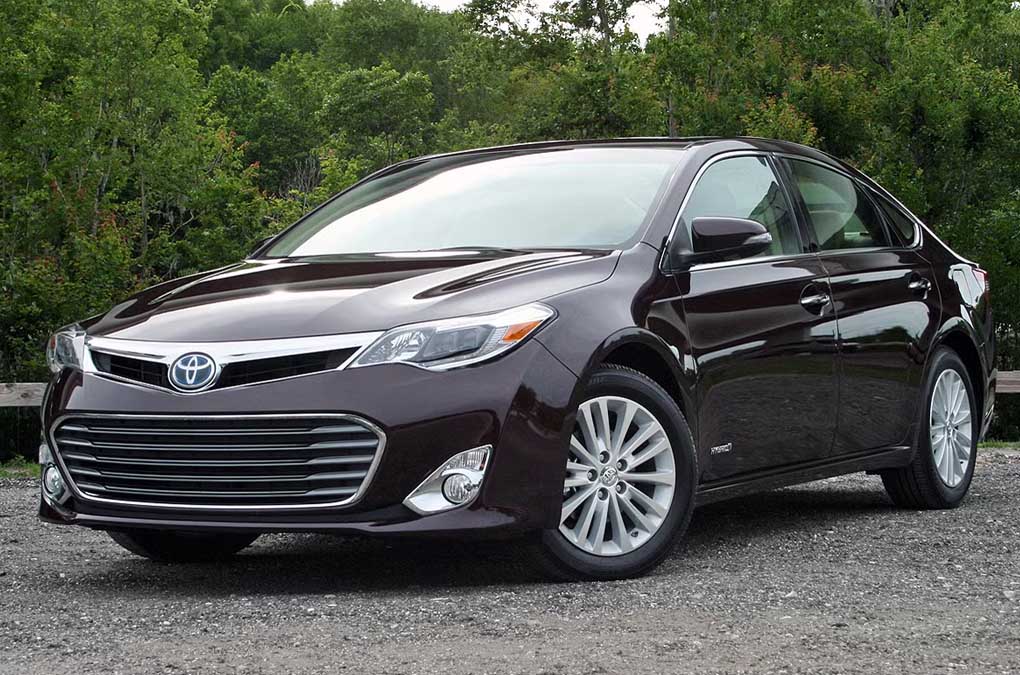
The 2015 Avalon comes with a 3.5-litre V6 engine producing around 268 horsepower. That’s plenty of power for Lagos highways or those long trips from Abuja to Enugu. The car pulls effortlessly, overtaking with confidence and maintaining smooth composure even at high speeds.
This is the kind of car that doesn’t need to shout. You can feel its premium build and calm performance, even when stuck in third mainland bridge traffic with the AC running full blast.
But there’s a catch: that V6 thirsts for fuel. While performance is superb, its fuel economy averages about 24 miles per gallon, or roughly 10–11 litres per 100km, depending on how heavy your right foot is. In Nigeria, that means more frequent visits to the filling station.
Camry’s Hybrid Efficiency: Quiet, Modern, and Thrifty
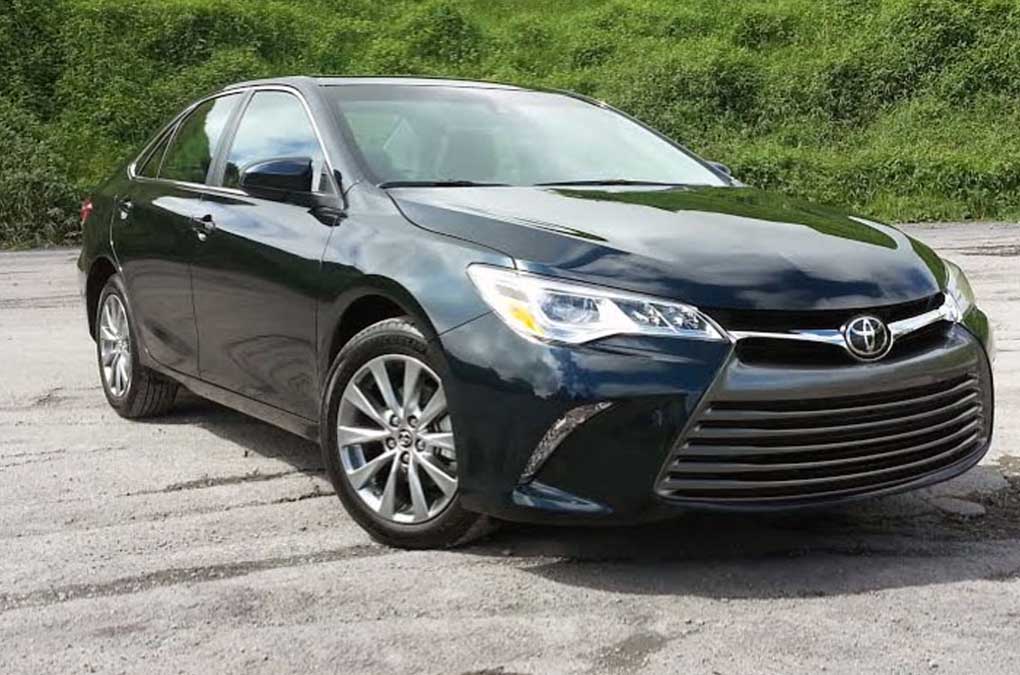
The 2015 Camry Hybrid tells a different story. It combines a 2.5-litre four-cylinder engine with an electric motor, giving you a combined 200 horsepower. On paper, that’s less powerful than the Avalon, but in real-world Lagos traffic, it hardly matters. The instant electric torque gives it a smooth, quick start, and it’s remarkably quiet.
Its biggest selling point? Fuel savings. Expect over 40 miles per gallon, roughly 5–6 litres per 100km. With Nigeria’s fuel prices climbing past ₦700 per litre in many areas, that’s a major advantage.
So, if you love performance and presence, the Avalon wins. But if you want efficiency and economy, the Camry Hybrid clearly takes the cake.
Verdict: Avalon for power; Camry Hybrid for fuel savings.
Round 2: Comfort & Cabin Space
Comfort is where the Avalon flexes its luxury muscles. The 2015 model is built on a full-size sedan platform, meaning more legroom, more headroom, and an overall plush feel.
Avalon: The Lounge on Wheels
Step inside a 2015 Avalon and you’ll immediately notice the soft-touch materials, quiet cabin, and generous seat padding. It’s the kind of comfort you associate with executive-level vehicles. The suspension is tuned for smoothness, gliding over potholes and rough patches with grace; perfect for Nigerian roads that can turn bumpy without warning.
Even the rear seats feel like a lounge, and long drives between states are less tiring. For anyone used to Toyota’s reputation for comfort, the Avalon takes it a notch higher.
Camry: Modern Yet Tighter
The 2015 Camry, although mid-size, feels well-built and ergonomically designed. The dashboard is more modern, with a sleek layout, touchscreen infotainment, and better visibility. But space-wise, it’s not as generous as the Avalon. Rear passengers get slightly less legroom, and the ride feels firmer — not uncomfortable, but more tuned for handling and efficiency than outright comfort.
Verdict: Avalon wins for space and long-distance comfort. Camry Hybrid wins for modern design and urban usability.
Round 3: Technology & Safety — A Decade Apart
Between 2015 and today, Toyota has made huge leaps in tech and safety. But even comparing these two 2015 models reveals some evolution.
Avalon: Premium, but Old-School
The Avalon’s infotainment system was top-tier in its time, with a 6.1-inch touchscreen, navigation, and premium JBL audio. It also includes safety features like blind-spot monitoring and adaptive cruise control, depending on trim.
However, it doesn’t have Toyota’s newer Safety Sense suite, no automatic emergency braking, lane-keep assist, or pedestrian detection. In essence, it’s luxurious but not cutting-edge by 2025 standards.
Camry Hybrid: The Smarter Option
The Camry Hybrid, even in its 2015 form, comes with more tech-focused efficiency tools, energy flow displays, eco-driving feedback, and hybrid system monitoring. Safety-wise, it’s equipped with features like stability control, multiple airbags, and improved crash protection ratings.
Its infotainment setup is more responsive, with Bluetooth and voice controls that were ahead of the Avalon’s dated interface.
Verdict: Camry Hybrid leads for technology and smarter safety integration.
Round 4: Ownership Costs, Resale Value & Maintenance
When it comes to car ownership in Nigeria, the true cost often lies beyond the initial purchase. Fuel, maintenance, and spare parts availability matter a lot.
Avalon: High-Class, Higher Upkeep
Buying a 2015 Avalon in Lagos or Abuja costs less than a new Camry Hybrid, often between ₦18 million to ₦25 million, depending on condition. However, maintaining a V6 engine costs more. Expect higher expenses for parts like spark plugs, transmission components, and suspension systems.
The good news is that the Avalon’s 3.5L V6 engine is one of Toyota’s most reliable. With regular oil changes and proper servicing, it can run beyond 300,000 km without major issues. But resale value tends to depreciate faster than smaller, fuel-efficient cars due to its luxury positioning.
Camry Hybrid: Lower Running Costs, Slightly Higher Risk
The Camry Hybrid is cheaper to fuel and often more affordable to maintain, until something goes wrong with the hybrid battery. While these batteries can last long (8–10 years), replacing them can be expensive, costing up to ₦1.5 million.
Still, Toyota hybrids have proven durable even in Nigerian conditions, especially if handled with care. For city dwellers in Lagos or Port Harcourt, where traffic is constant, the Camry’s fuel efficiency can save thousands monthly.
Verdict: Avalon costs more to run, but the Camry Hybrid requires more caution with battery care.
Which Car Handles Nigerian Roads Better?
The Avalon, being heavier and with a more solid suspension, handles bad roads better. It soaks up bumps and feels more stable at high speeds. The Camry, though efficient, has a firmer ride and slightly lower ground clearance, making it less ideal for rough terrain or poorly paved roads in areas like Festac or the Ibadan outskirts.
For Lagos traffic, though, the Camry Hybrid’s quiet, stop-and-go efficiency is unbeatable.
Final Verdict: Which One Should You Buy?
- Buy the 2015 Avalon if you want luxury, comfort, and power at a bargain. It’s perfect for executives, families, or anyone who values refinement over fuel economy.
- Buy the 2015 Camry Hybrid if you prioritise efficiency, technology, and low running costs, ideal for city driving and long-term ownership.
Both are reliable and timeless, but the best choice depends on your lifestyle and fuel budget. The Avalon feels like a Lexus without the badge, while the Camry Hybrid feels like the future, smart, efficient, and built for Nigeria’s evolving economy.