
Lexus IS 350 Price in Nigeria (2026)
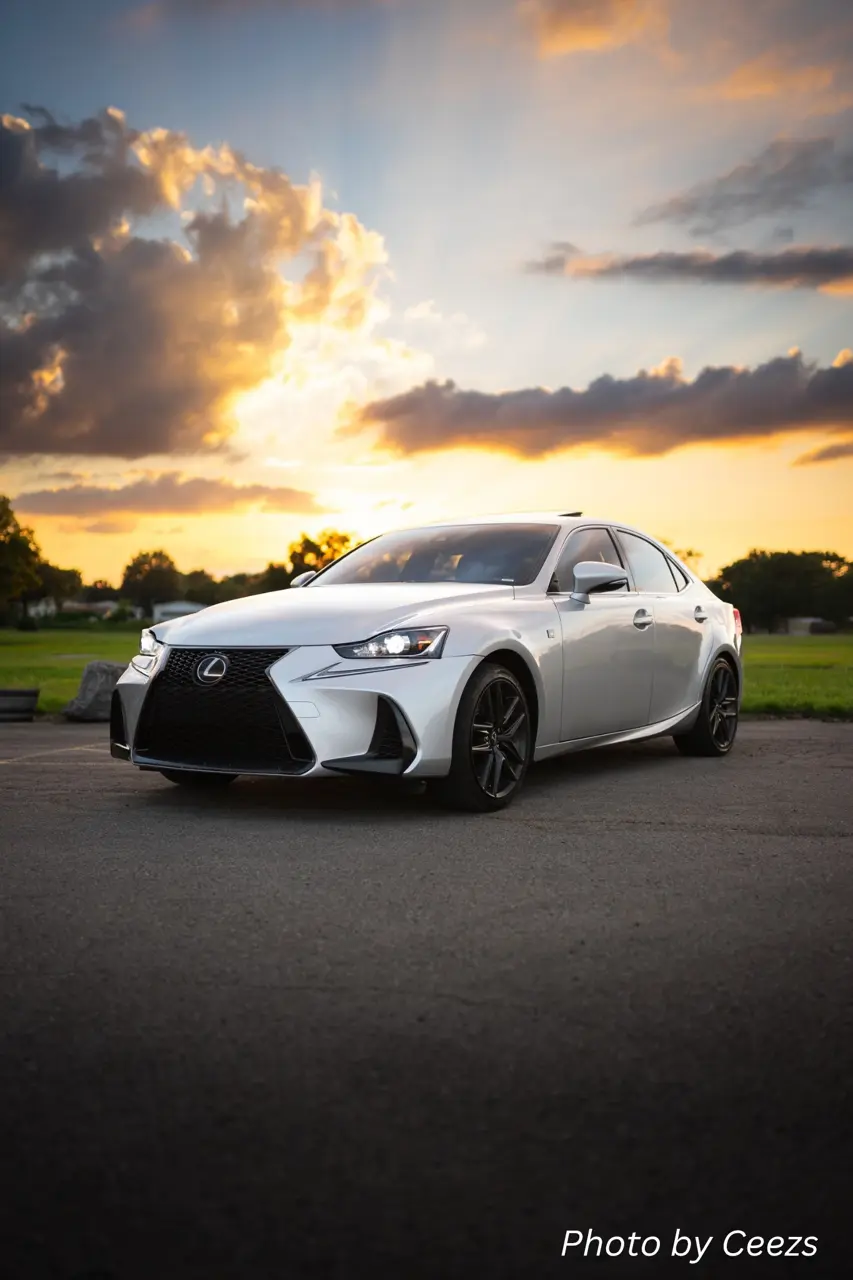
Unlike other big sedans, Lexus IS 350 manages to stand out with a compact size, sleek sporty appearance, a well-finished interior design and, more importantly, a 3.5-litre V6 engine that outperforms normal daily-use sedans you see around every day
Unlike other big sedans, Lexus IS 350 manages to stand out with a compact size, sleek sporty appearance, a well-finished interior design and, more importantly, a 3.5-litre V6 engine that outperforms normal daily-use sedans you see around every day. It is a great recommendation for people who love cars like Camry and Accord but want something more stylish and elevating in look, or want the Lexus version of them.
Available now on Carlots
Lexus IS 350 for sale in Nigeria
6 for sale from ₦18,000,000
-
 Nigerian Used
2 months, 1 week ago
-
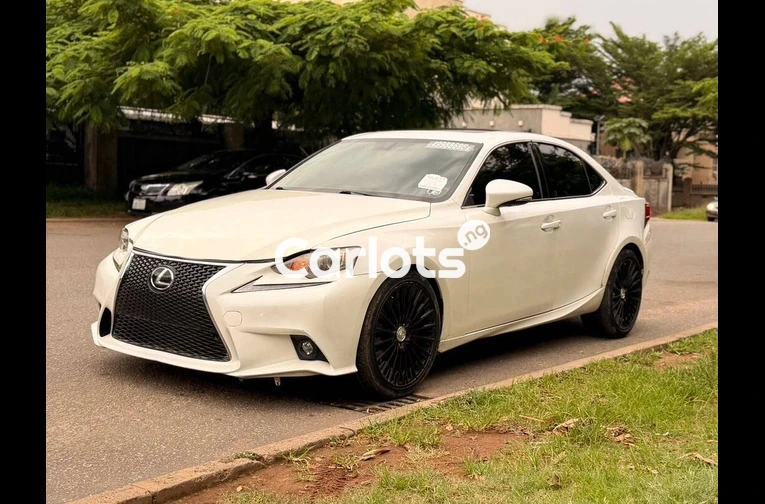 4 months, 3 weeks ago
-
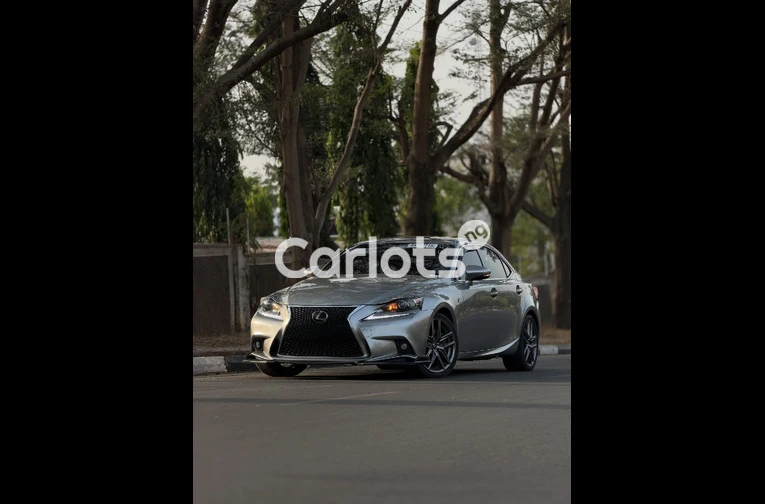 Tokunbo
9 months, 2 weeks ago
-
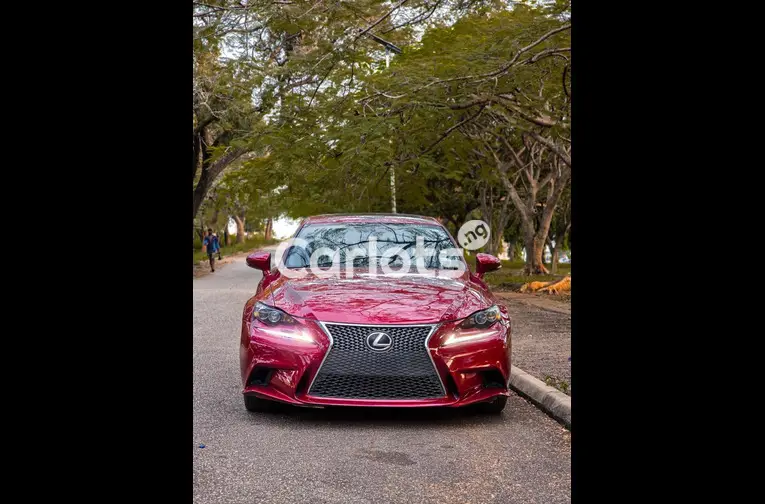 Tokunbo
11 months, 3 weeks ago
It has models from 2006 to 2021, so the price and experience depend on the generation you get.
If you are considering getting one, there are a few things worth understanding beyond how good it looks. How does the V6 perform in Lagos traffic? How much fuel does it consume per kilometre? Can its low ground clearance survive the average Nigerian estate road, and how much should you budget for maintaining one?
Here is what you should know about the Lexus IS 350 before buying one in Nigeria.
Lexus IS 350 prices in Nigeria
The Lexus IS 350 price in Nigeria depends on the model year, trim, mileage, condition and whether you are buying a foreign-used (Tokunbo) or Nigerian-used vehicle.
Older generations from 2006–2013 start from about ₦12 million, while newer 3rd-generation models can cost between ₦27 million and ₦38 million. Newer models from 2021 onwards can cost between ₦45 million and ₦70 million. Note that these are asking prices, not confirmed transactional prices. Use this price guide as a rough map, not the final price.
Model year | Estimated Tokunbo price |
| 2006–2013 | ₦12m to ₦16m |
| 2014–2016 | ₦18m to ₦30m |
| 2017–2020 | ₦28m to ₦38m |
| 2021–Latest Models | ₦45m to ₦78m+ |
Design and Driving Experience
Earlier XE20 models have a modest, low-key appearance, but the XE30 model made the look sharper, and the 2021 update made the front and rear look more modern. Inside the car, there are supportive seats, quality materials, automatic climate control and a dashboard that is built to suit the driver. Newer versions have better infotainment, and F Sport trim has details that make it look sportier. The steering also responds well, and the V6 engine makes driving on a highway particularly pleasurable.
Engine Options, Horsepower and Torque
Most older imports from the American market use FSE, and newer ones may have FKS. But Nigerian imports come from different markets, so make sure to check the VIN and engine identification as well, especially if you'll need replacements of some parts later.
The F Sport badge doesn't mean it has a different engine; it's usually the same V6 engine with different styling, suspension tuning, and equipment.
What does 306–311 horsepower feel like in Lagos traffic?
In Lagos traffic, the car pulls away from a standstill very easily and also reacts fast when you find a gap in traffic, making it easy to change lanes and join moving traffic. However, it's even better on expressways, as it allows you to accelerate and overtake easily.
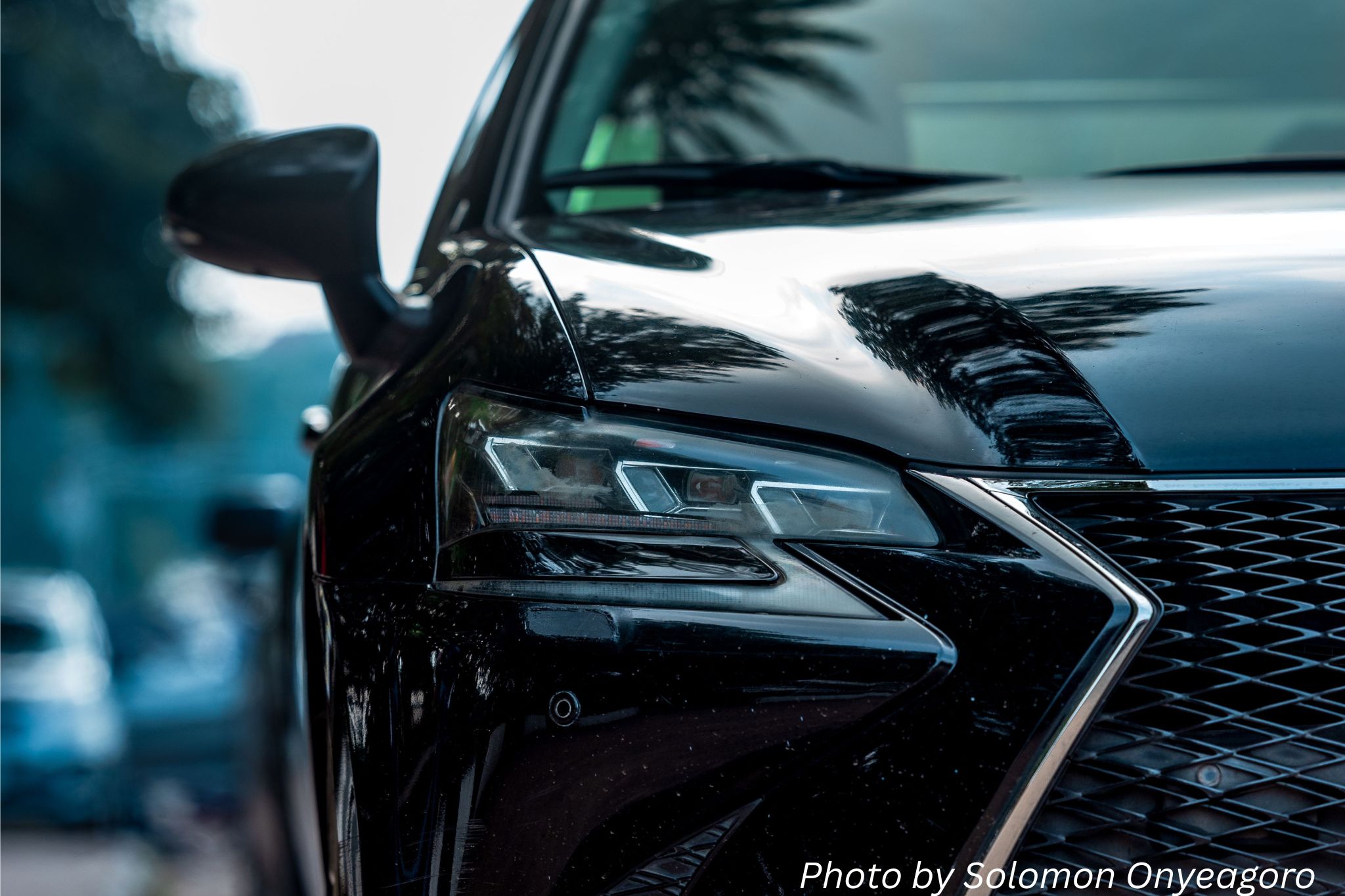
Ground Clearance: Can the Lexus IS 350 Handle Nigerian Roads?
If you regularly drive through unfinished roads, high speed bumps, and damaged road surfaces, then this deserves real consideration. The car has a low body that makes it look sportier, but makes the slanted front bumper and underbody vulnerable to bumps, steep entrances, and draining channels.
On normal roads, it is comfortable, but on rough, unpaved roads, it is not a good choice. If you're about to buy one, make sure to closely check at the bumper, the engine undertrays, and the suspension for signs of earlier damage. To learn more about other things to check before buying a used car, read more here.
Lexus IS 350 Fuel Consumption in Nigeria
As much as the V6 engine is a big reason to buy this car, it's also a reason to consider your fuel budget.
A road test of the 2021 IS 350 F Sport recorded about 5.2 km/L in stop-and-go traffic and 8.69 km/L in mixed driving. That test was done in the Philippines, not by a Nigerian owner, but it’s still a decent guide for congested, warm-weather conditions like Nigeria.
Driving condition | Likely consumption |
| Heavy stop-and-go traffic | Around 5.2 km/L |
| Mixed driving | Around 8.7 km/L |
As of November 4, 2026, petrol was selling for about ₦1,349 to ₦1,370 per litre in Lagos, according to Vanguard. At ₦1,370, a 20-litre fill costs ₦27,400, and 40 litres costs ₦54,800. A full 65-litre tank comes to ₦89,050, although some versions have about 66 litres.
In heavy traffic, you’d burn about 5.8 litres, roughly ₦7,900. In mixed driving, it’s about 3.45 litres, roughly ₦4,730. That gap is why your daily driving conditions matter so much. Put plainly, the IS 350 isn’t fuel-efficient. If low running costs are your top priority, a smaller-engine sedan will probably suit you better.
Transmission Type and Reliability
There is no particular mileage where the transmission fails, so make sure to test the car from a cold start, pay attention to how it shifts at different speeds, and have a specialist scan it for trouble codes.
Interior, Boot Capacity and Rear Legroom
The cabin is very comfortable; it has a good driving position, power-adjustable seats, and dual-zone climate control, depending on the trim.
The 2006 model's boot space is about 378 litres, the 2014 model is about 391 litres, and the 2021 F Sport is about 306 to 311 litres, which is enough for shopping and a few travel bags.
Compared to the Lexus ES, the rear seat is smaller and limited, but if you mostly drive alone or with one or two passengers, it shouldn't bother you.
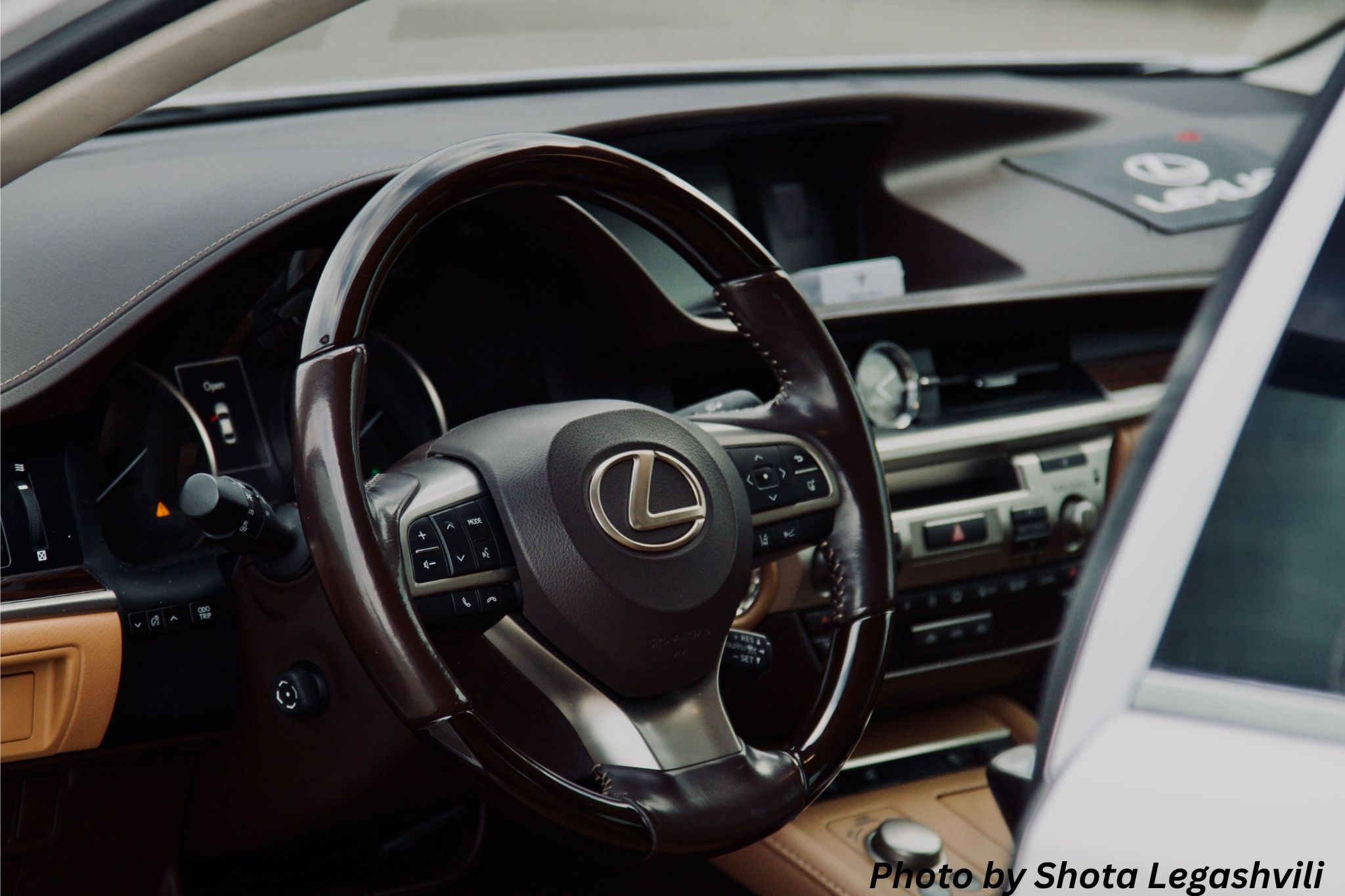
Air Conditioning Performance: Is the Lexus IS 350 Good for Nigerian Weather?
The IS 350 has automatic climate control with dual zones and rear vents on some models, but the AC components determine how well it cools. Before you buy, don't just switch it on for a few seconds and assume everything is fine. A weak compressor, leaks, or a faulty cooling fan may only show their effects when the car has been parked in the heat. Check how quickly the cabin cools, test the fan speeds, airflow from every vent, and the dual-zone control.
If the system is weak, get a technician to properly diagnose it before replacing anything, because sometimes the problem could be just a leak or electrical fault, and compressors are expensive.
Common Lexus IS 350 Problems at 100,000–200,000 km
The V6 engine is durable, but once the mileage climbs into 150,000–200,000 km, always check the water pump and cooling system, engine oil leaks, carbon buildup, engine mounts, thermostat, suspension, ignition coils, and transmission.
There are no generally verified repair amounts for this model in Nigeria. So when you ask a mechanic for prices, ask separately for OEM parts, aftermarket replacements, and used imported components. They vary in price, and the difference can be huge.
Lexus IS 350 Spare Parts Availability in Nigeria
Some mechanical parts of the IS 350 come from an engine family shared with many Toyota and Lexus vehicles, but that doesn't mean all body parts are interchangeable, especially suspension parts, electronic modules, or body panels. For common mechanical parts, you can start at Ladipo Market in Mushin, Lagos, or the parts dealers at Apapa. For specialised items like control modules, sensors, and the likes, you may need a Lexus specialist or importer who can source the correct OEM part.
Never buy a part just because the seller says it fits; whoever you buy from, give them your VIN and engine code to source the correct part.
Is the Lexus IS 350 Worth Buying?
It is a good recommendation if you want a compact luxury car with strong V6 engine performance, a comfortable interior, and a stylish appearance. It's even more enjoyable when you drive on the highway.
It's a good fit if you mostly drive on paved roads, rarely carry several rear passengers, and can afford the fuel and upkeep. If you often drive through rough estate roads, want maximum rear space, or need low running costs, it is advised to look at other options.


